The membrane examined while it is still a membrane.
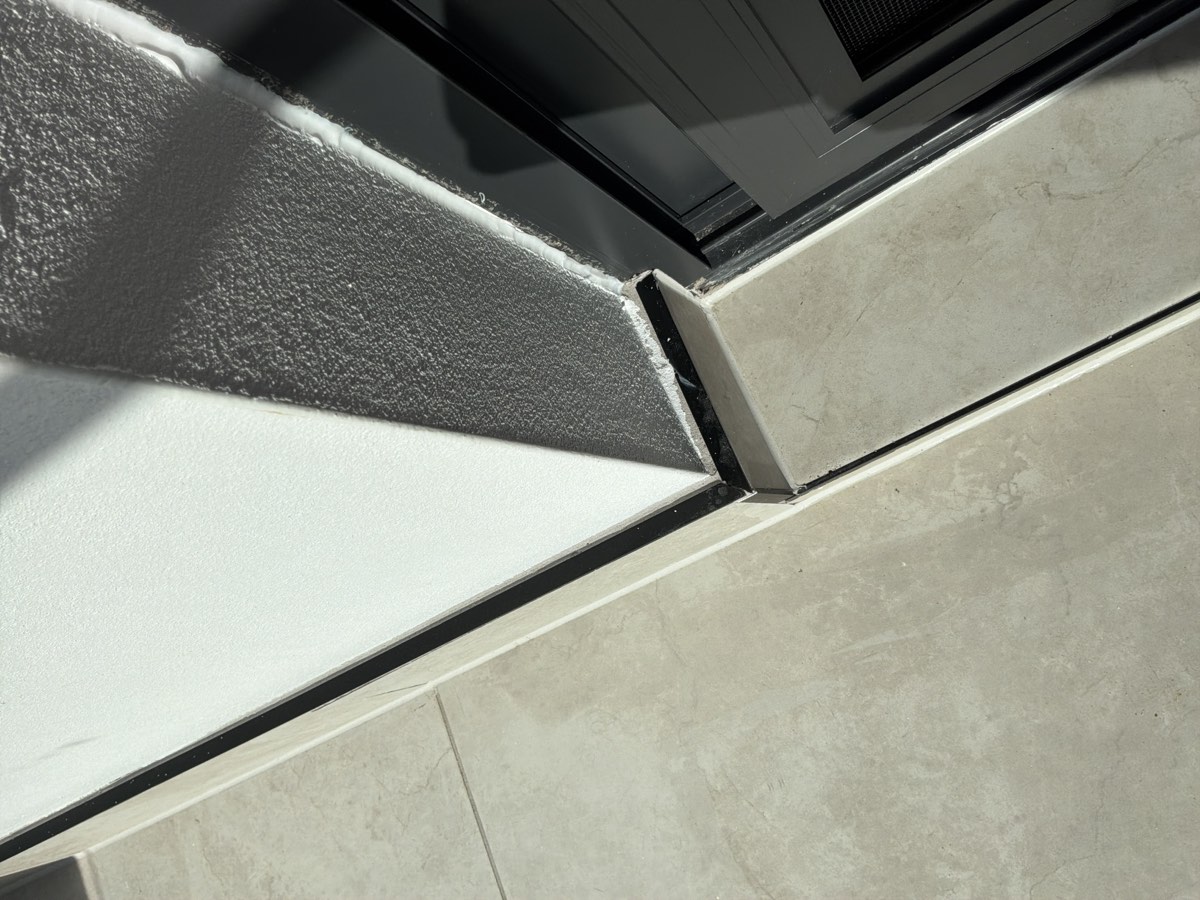
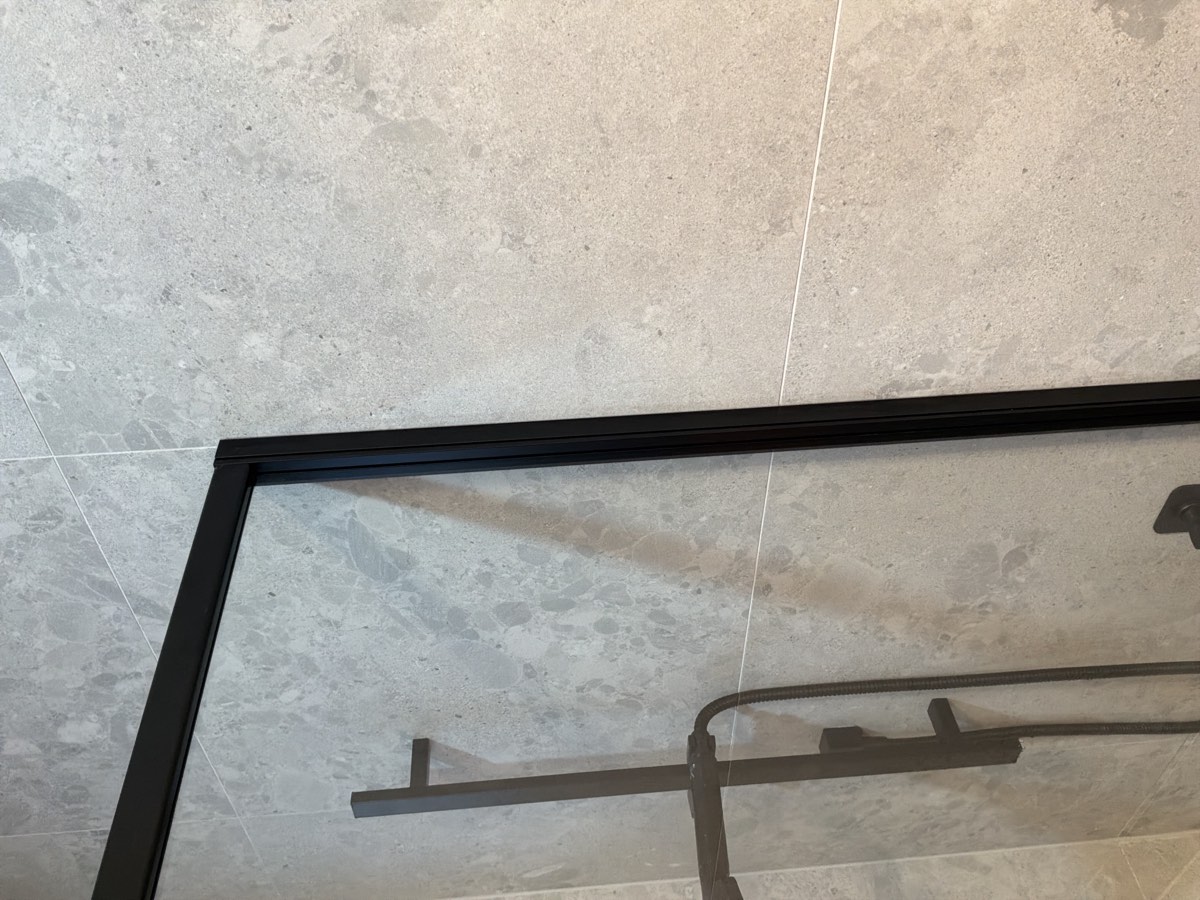
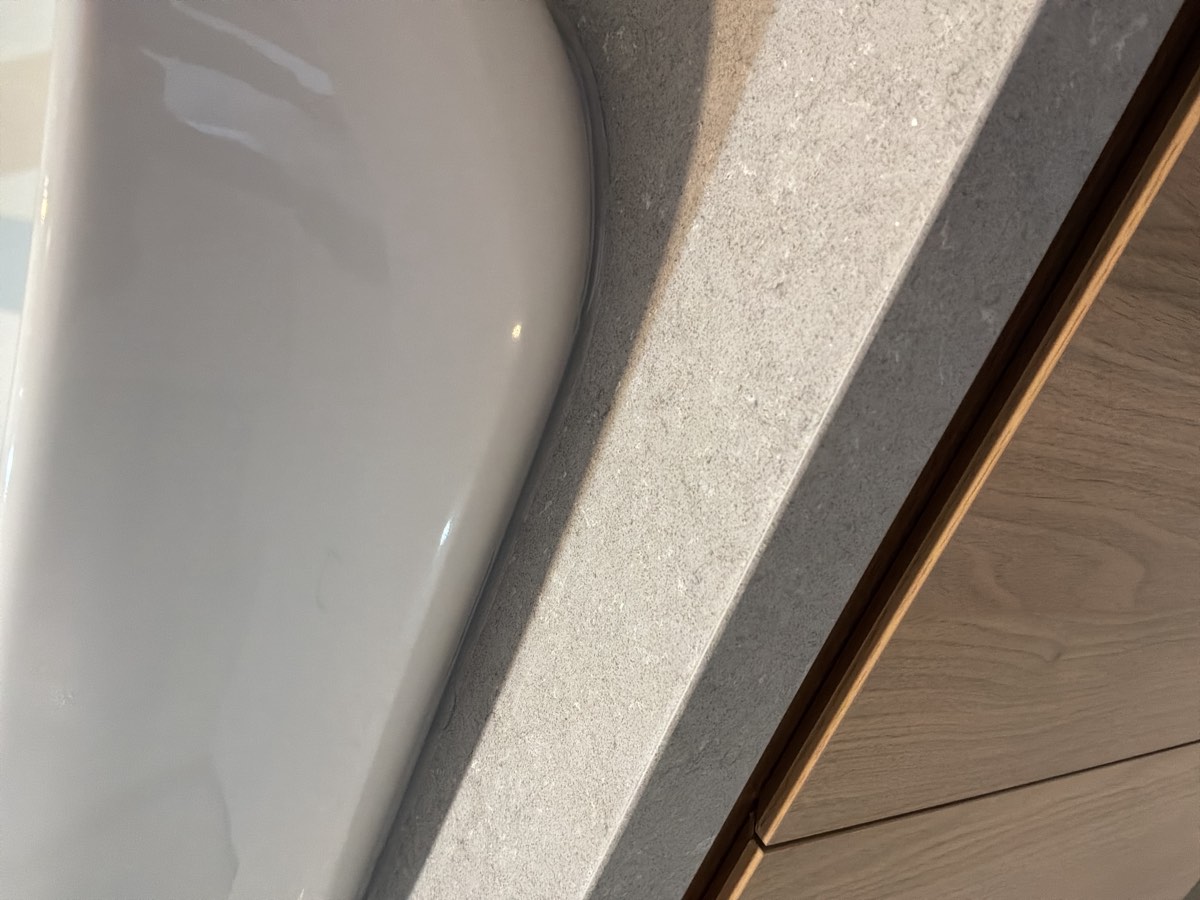
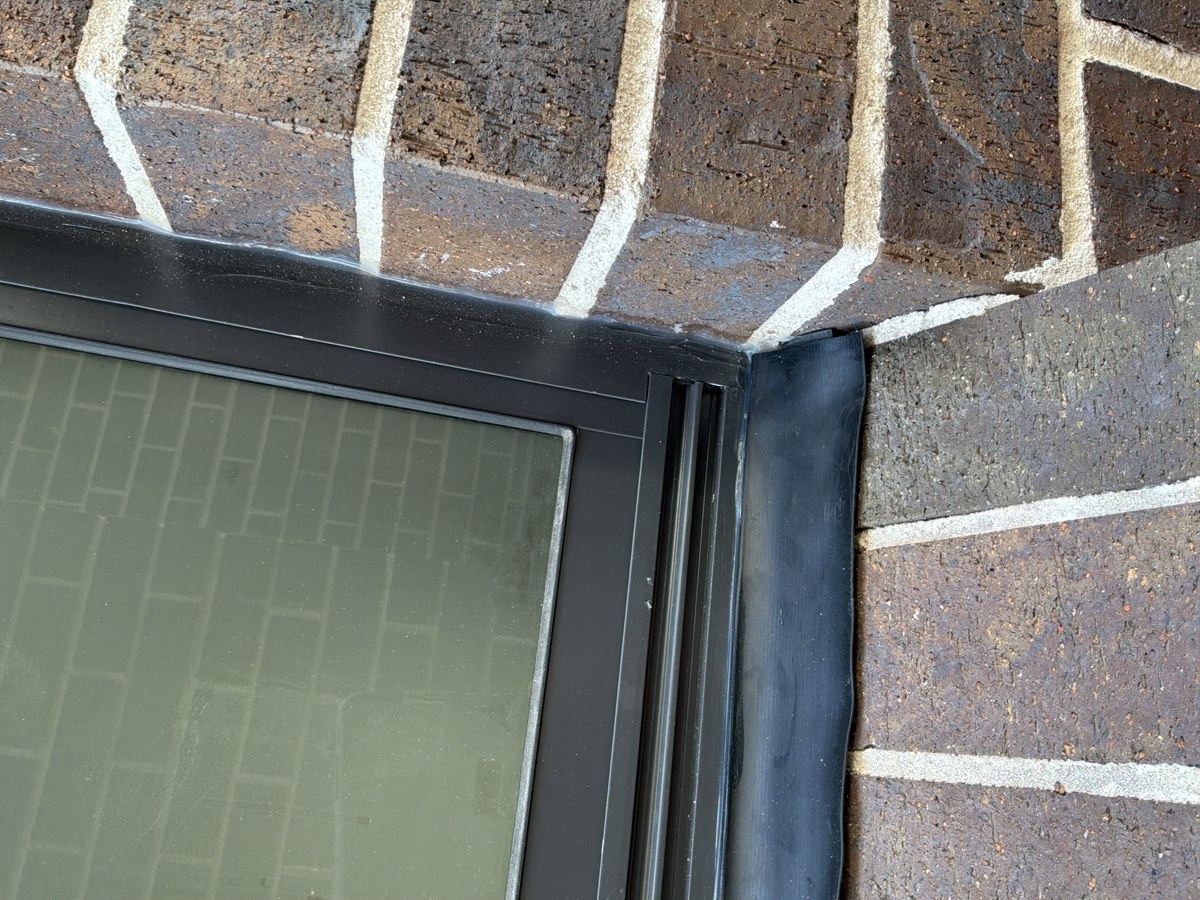
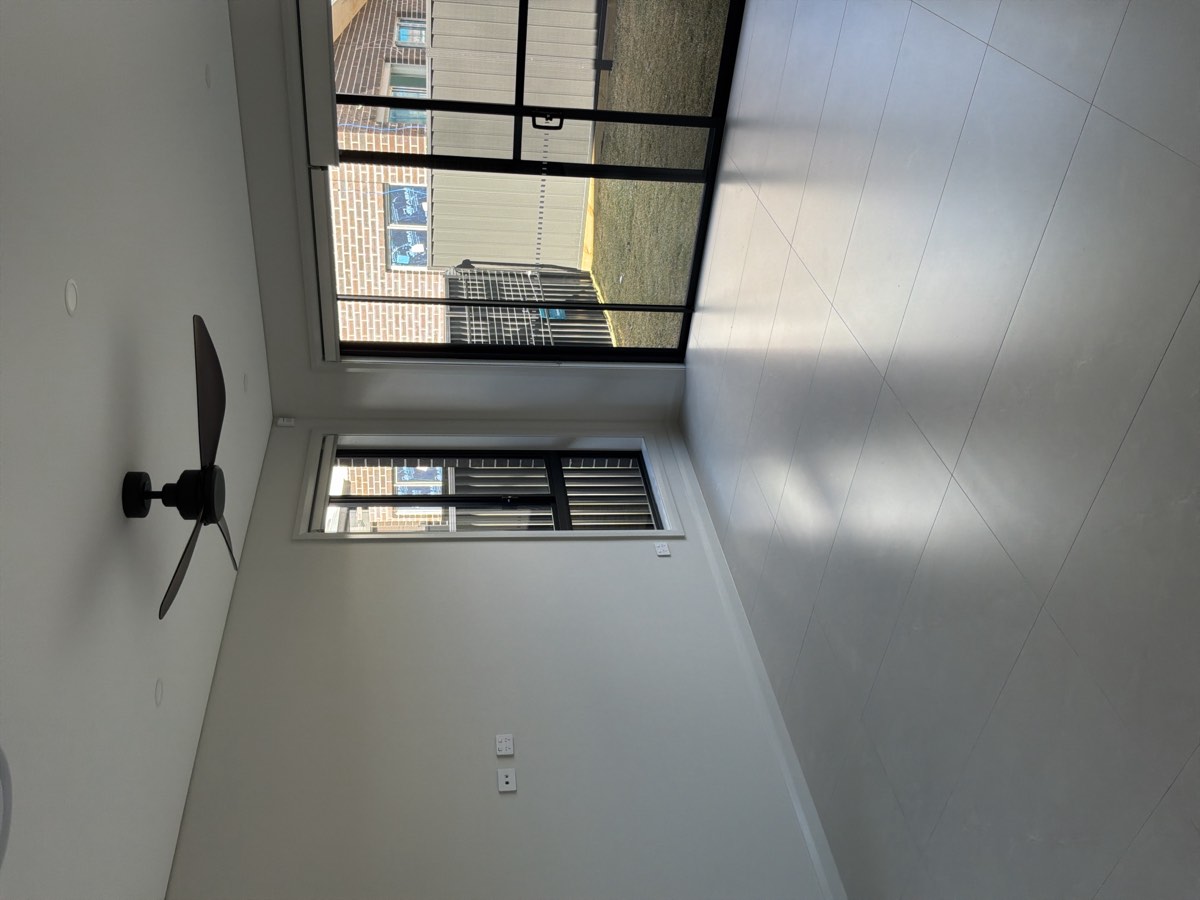
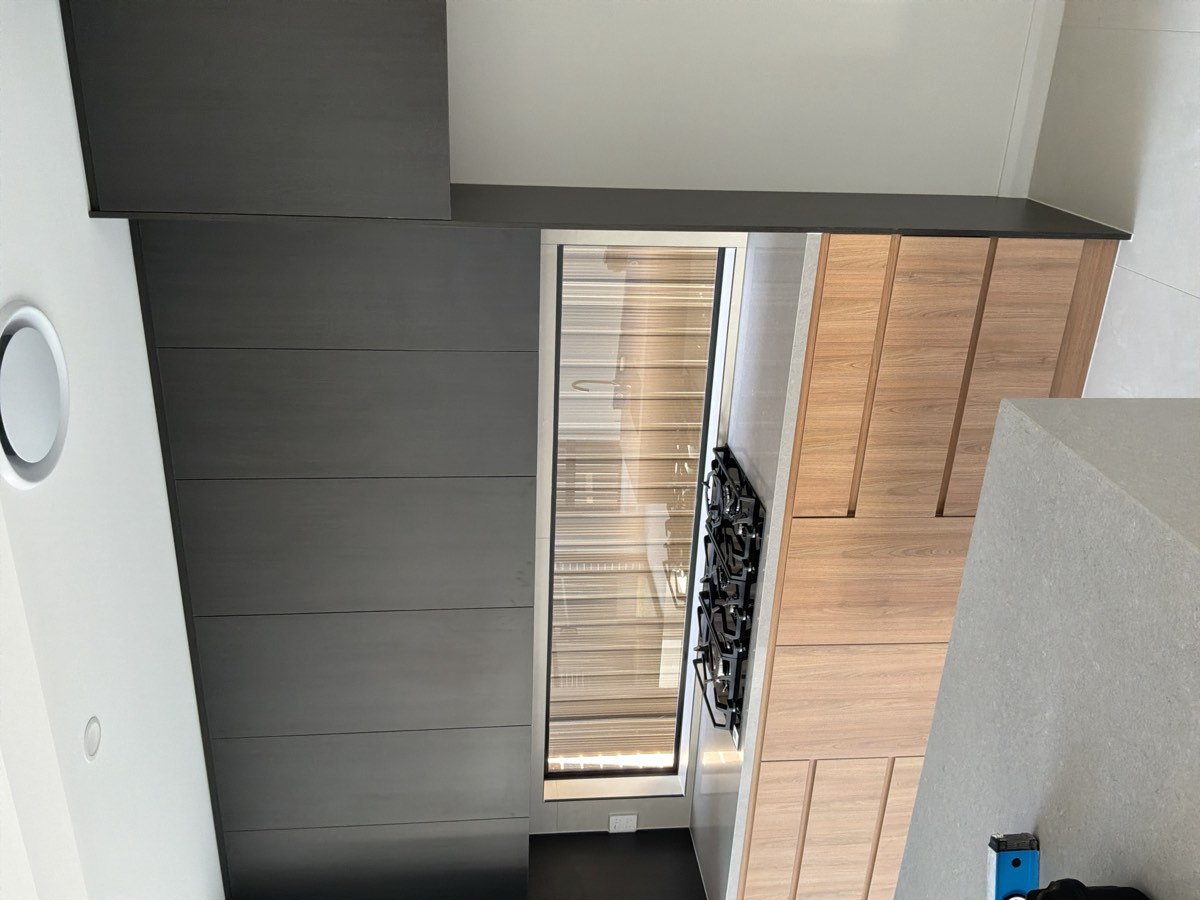
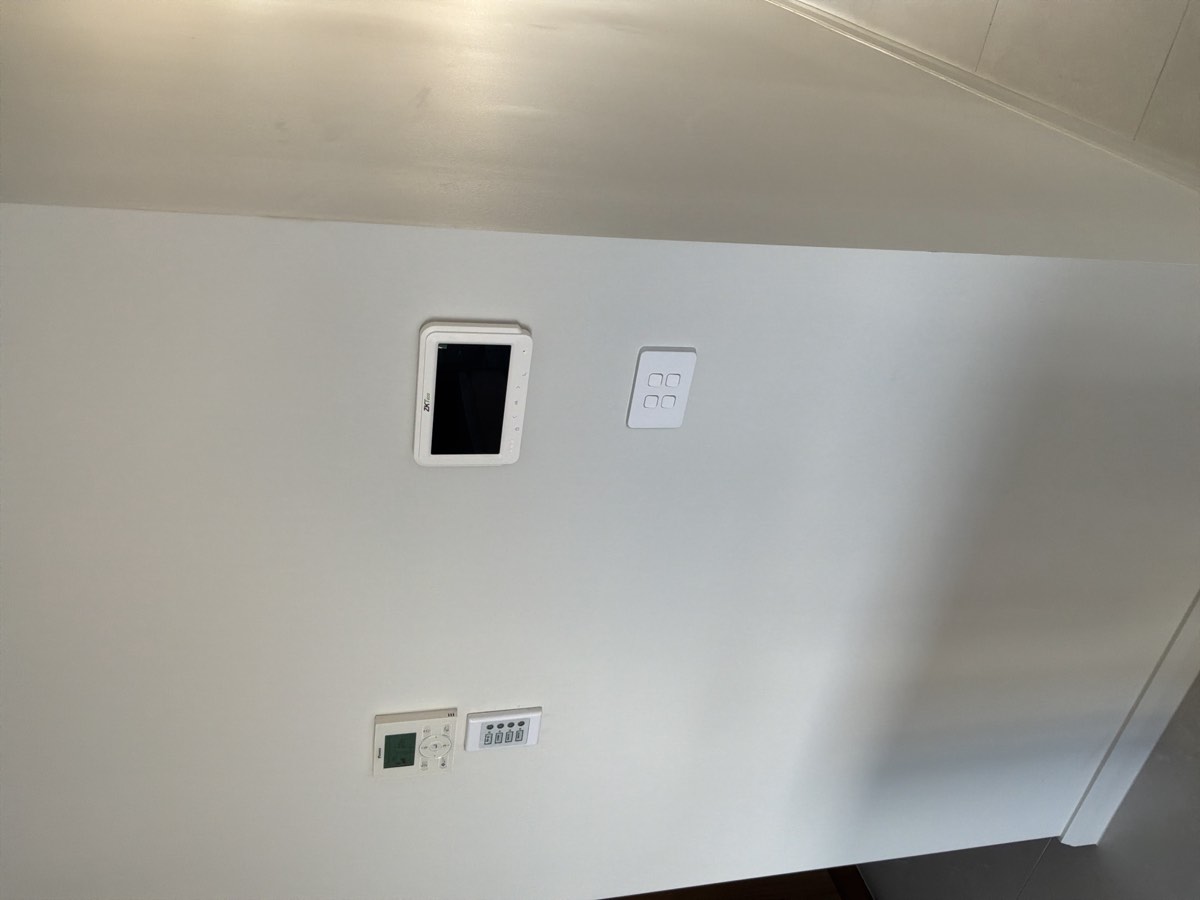
Wet area rectification is the most expensive defect category in a new home, because correcting it after tiling means taking the room apart. Our Riverstone jobs picked up sealing and caulking still required to floors and walls at handover, along with a shower screen needing sealing, both of which are downstream of decisions made when the membrane went down. Every photograph on this page was taken at practical completion, not at this stage. They are here because each one is an item that belongs earlier in the build and survived to handover, which is the clearest argument we can make for inspecting when the work is still open.
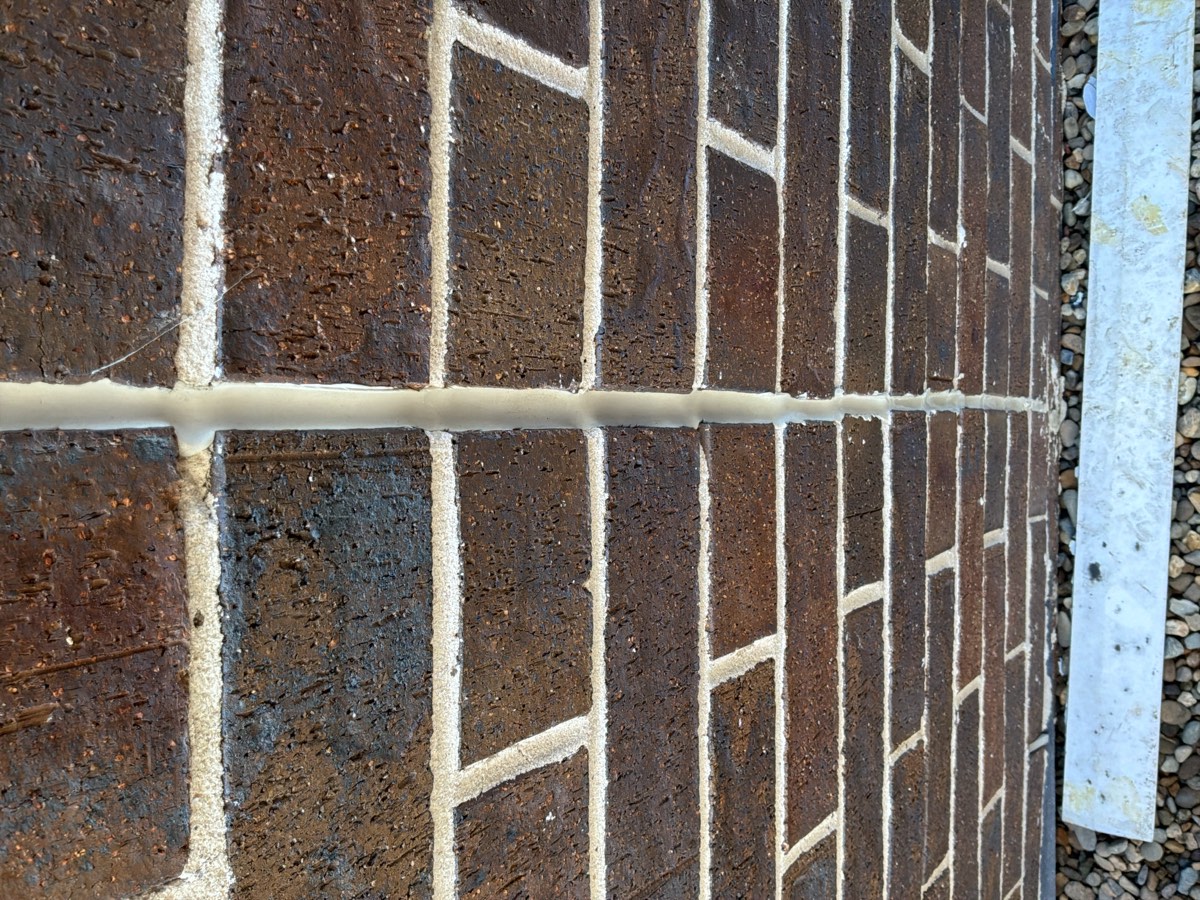
Annotated findings from Waterproofing inspections on Riverstone builds. Client addresses withheld.
 1Bored piersAfter boring and cage placement, before concrete
 2Slab pre-pourThe day before the pour, steel and formwork complete
 3FrameOnce frame and trusses are up and the roof is on, before lining
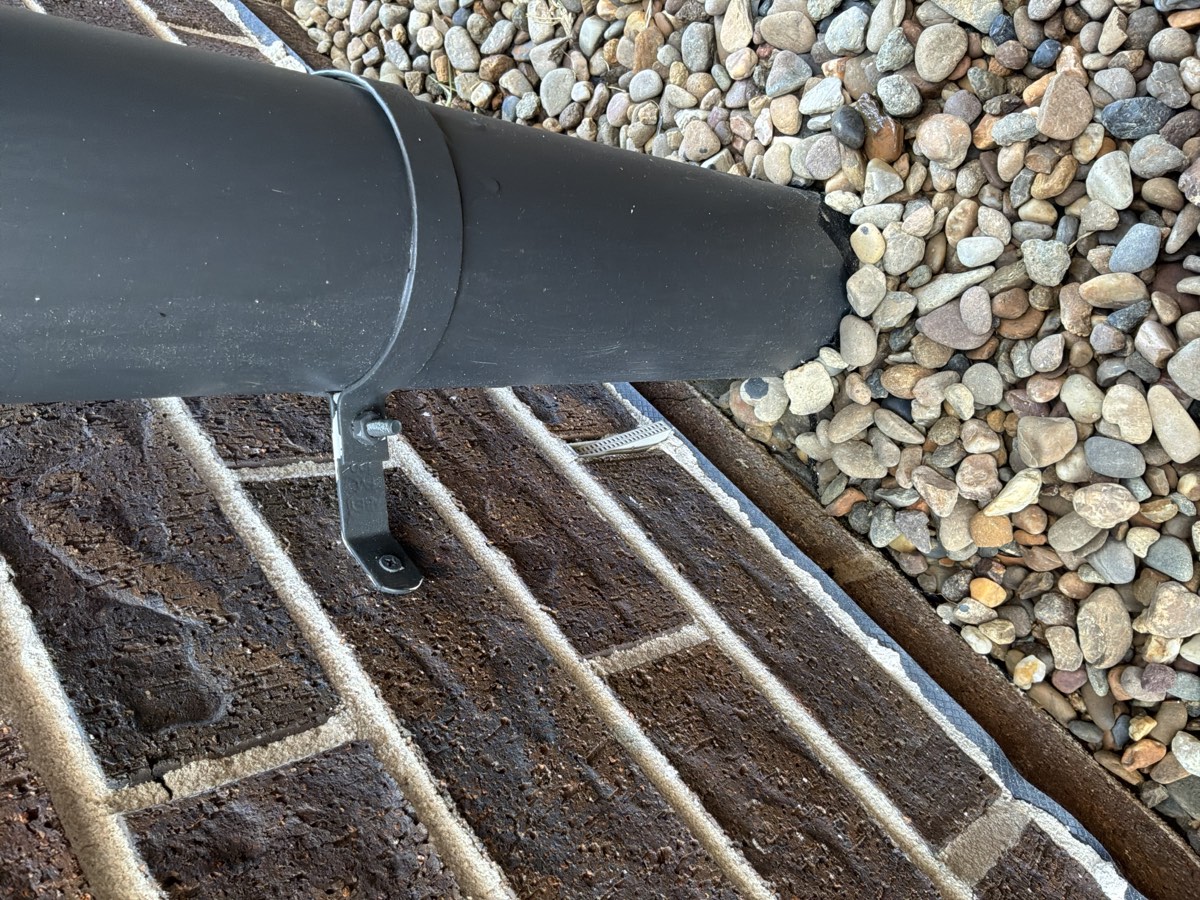 4Lock-up (pre-plaster)After roof, cladding and external doors, before plaster
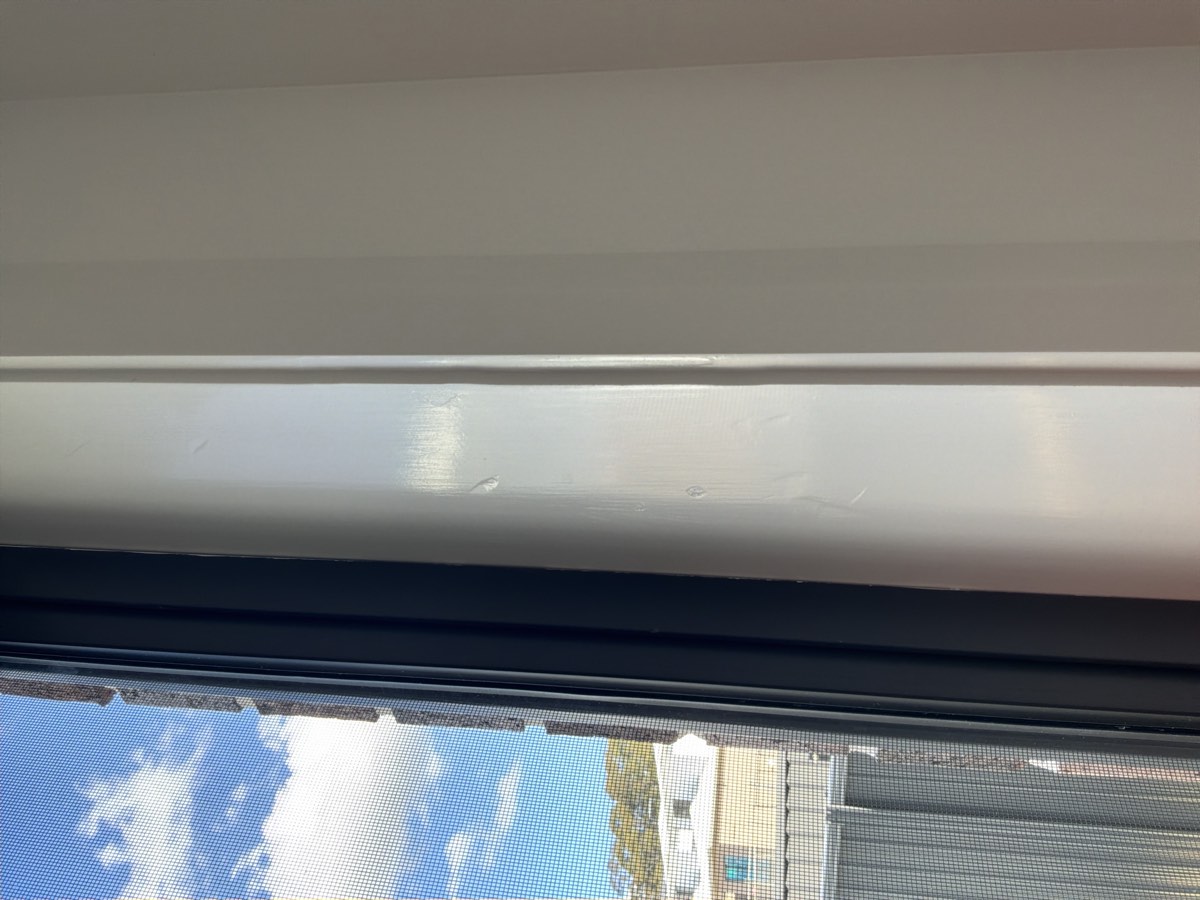 5FixingAfter mouldings, doors and joinery, before the painter
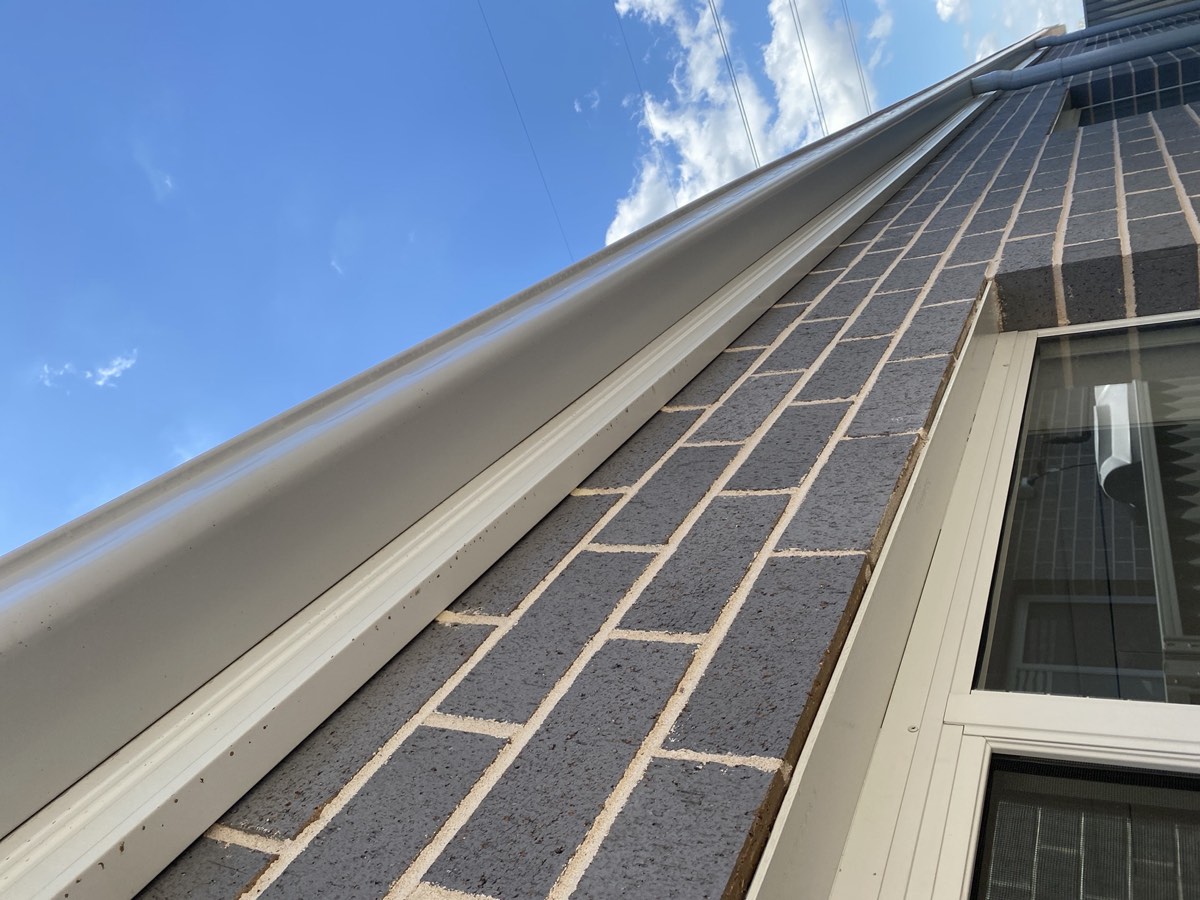 7Pre-handover (PCI)Two to three weeks before your handover date
Instant online pricing, or talk to the booking team on 1300 471 805.
AS 3740 for domestic wet areas, alongside the National Construction Code and the ABCB Housing Provisions.
No. That test cuts into finished work and belongs to the waterproofer's own process.
Often two or three days between the membrane curing and the tiler arriving.
A damp skirting or a stain on the wall of the adjoining room, a year or two after moving in.
We assess what remains exposed and record the areas already covered.
The builder, coordinating waterproofer and tiler, and the report gives them the location and the clause.