The structure while every fixing can still be counted.
A frame inspection reads the tie down chain against your engineering, bolt by bolt and strap by strap, and checks that nothing has been cut, notched or damaged by the trades that followed the carpenter. Riverstone has not booked us for enough frame work to build a library here, so this page describes what we check. Every photograph on this page was taken at practical completion, not at this stage. They are here because each one is an item that belongs earlier in the build and survived to handover, which is the clearest argument we can make for inspecting when the work is still open.
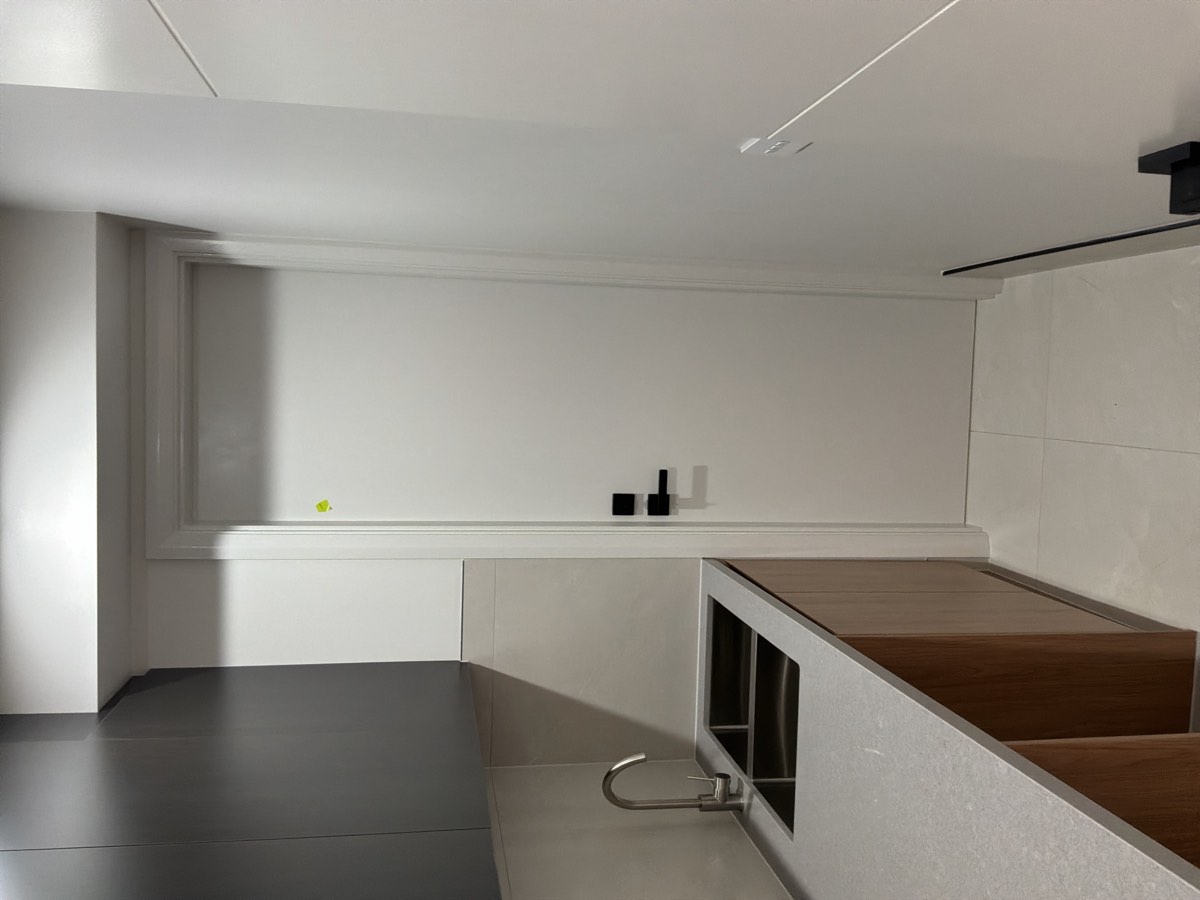
Annotated findings from Frame inspections on Riverstone builds. Client addresses withheld.
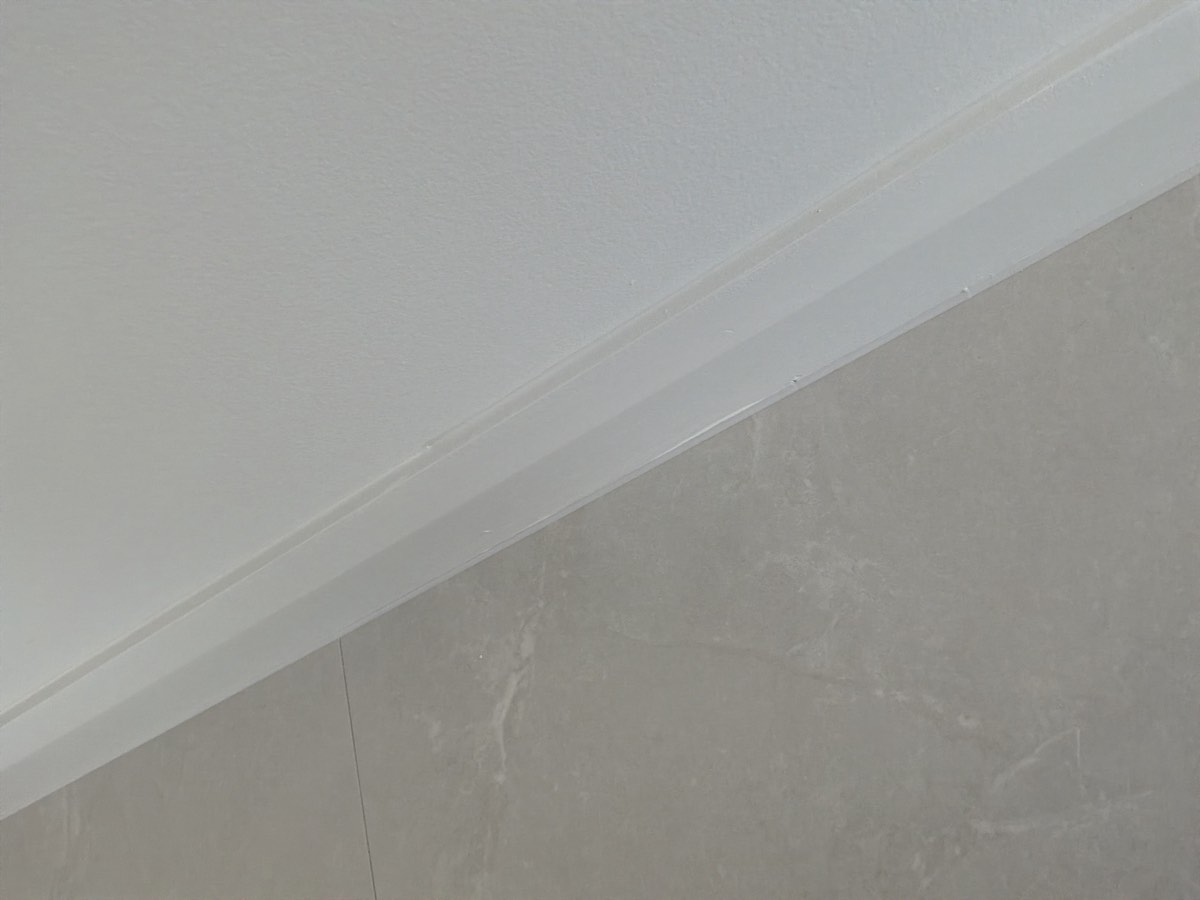
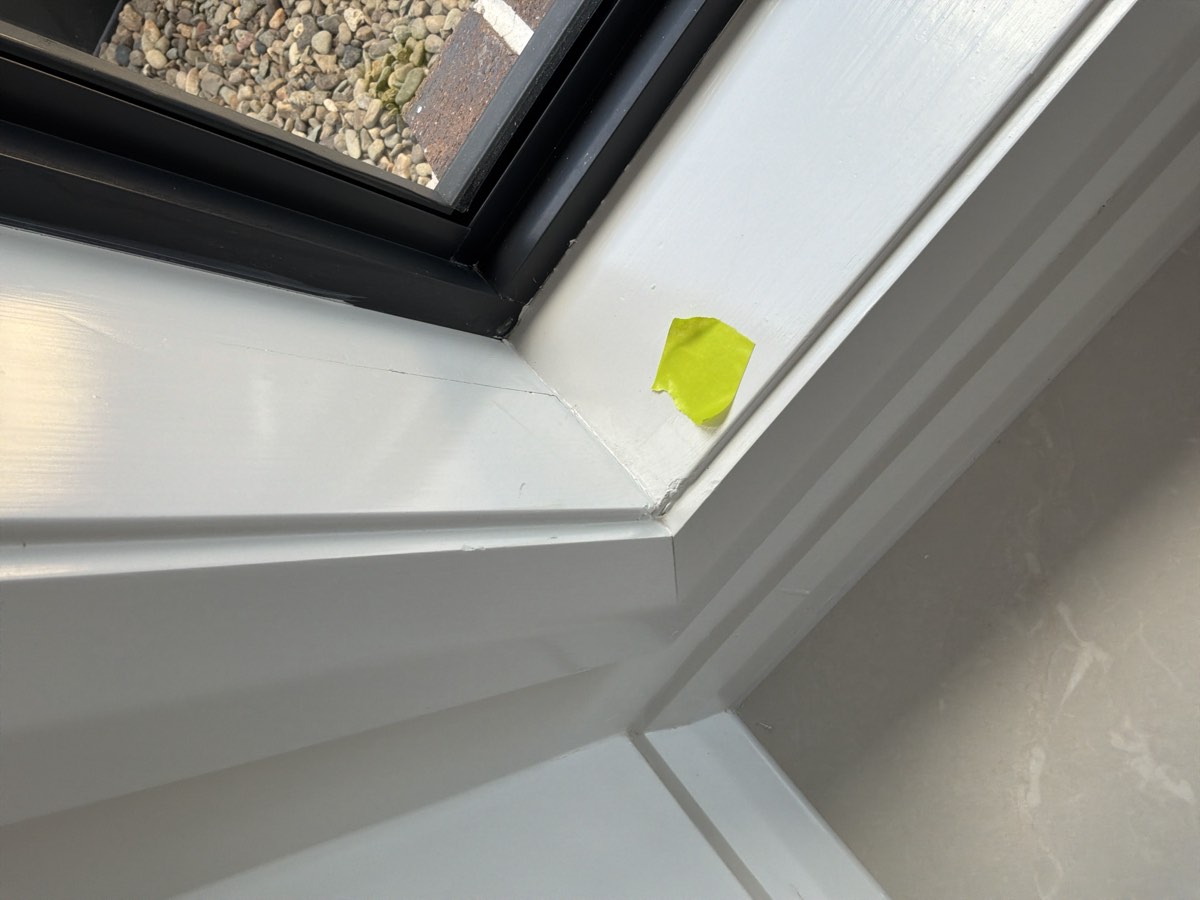
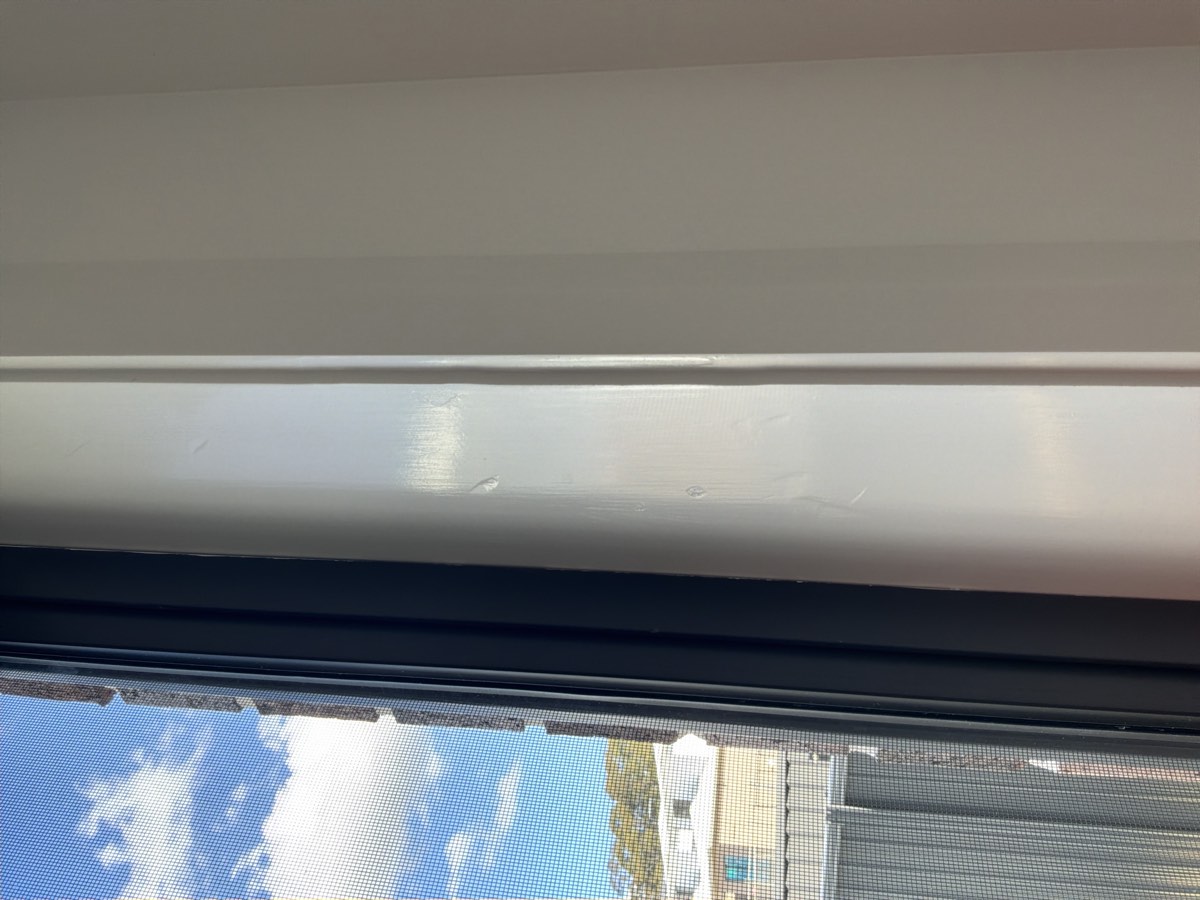
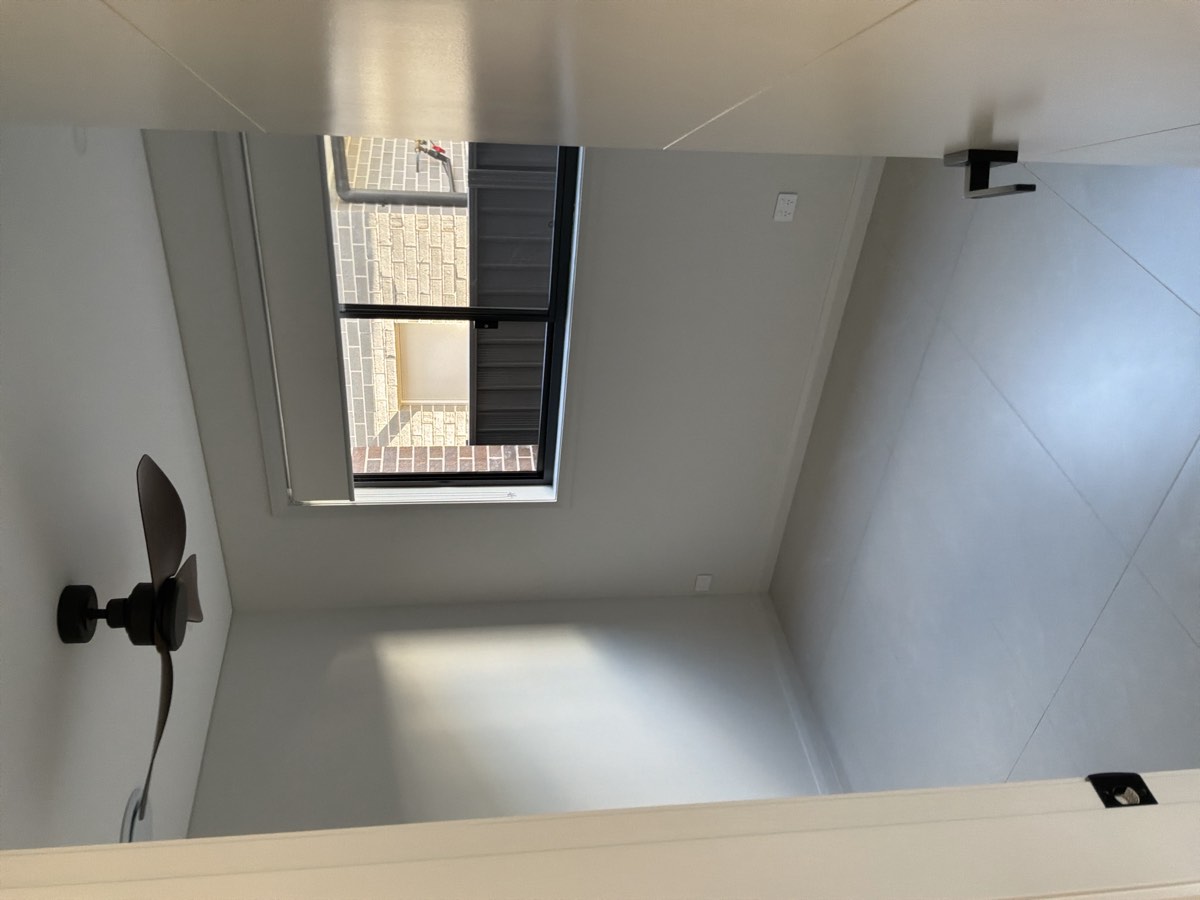
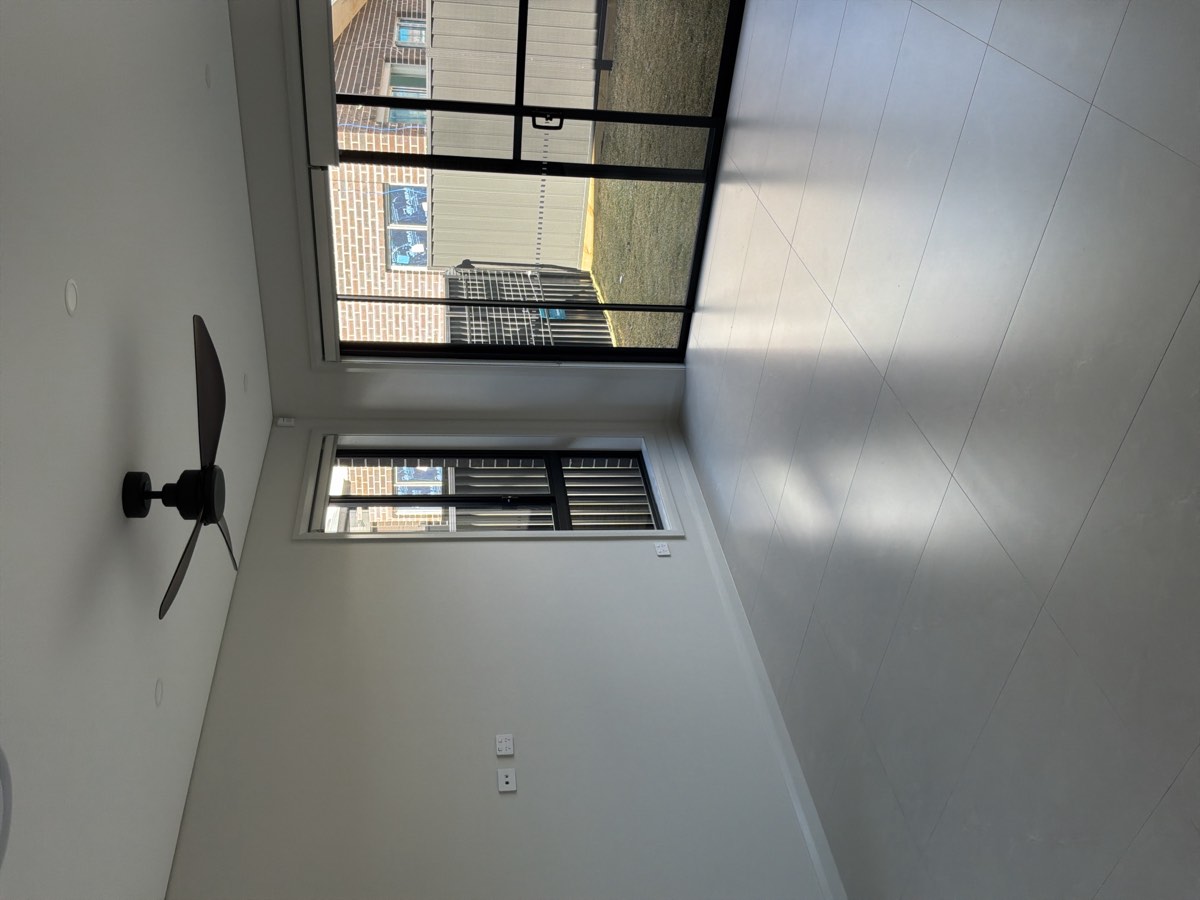 1Bored piersAfter boring and cage placement, before concrete
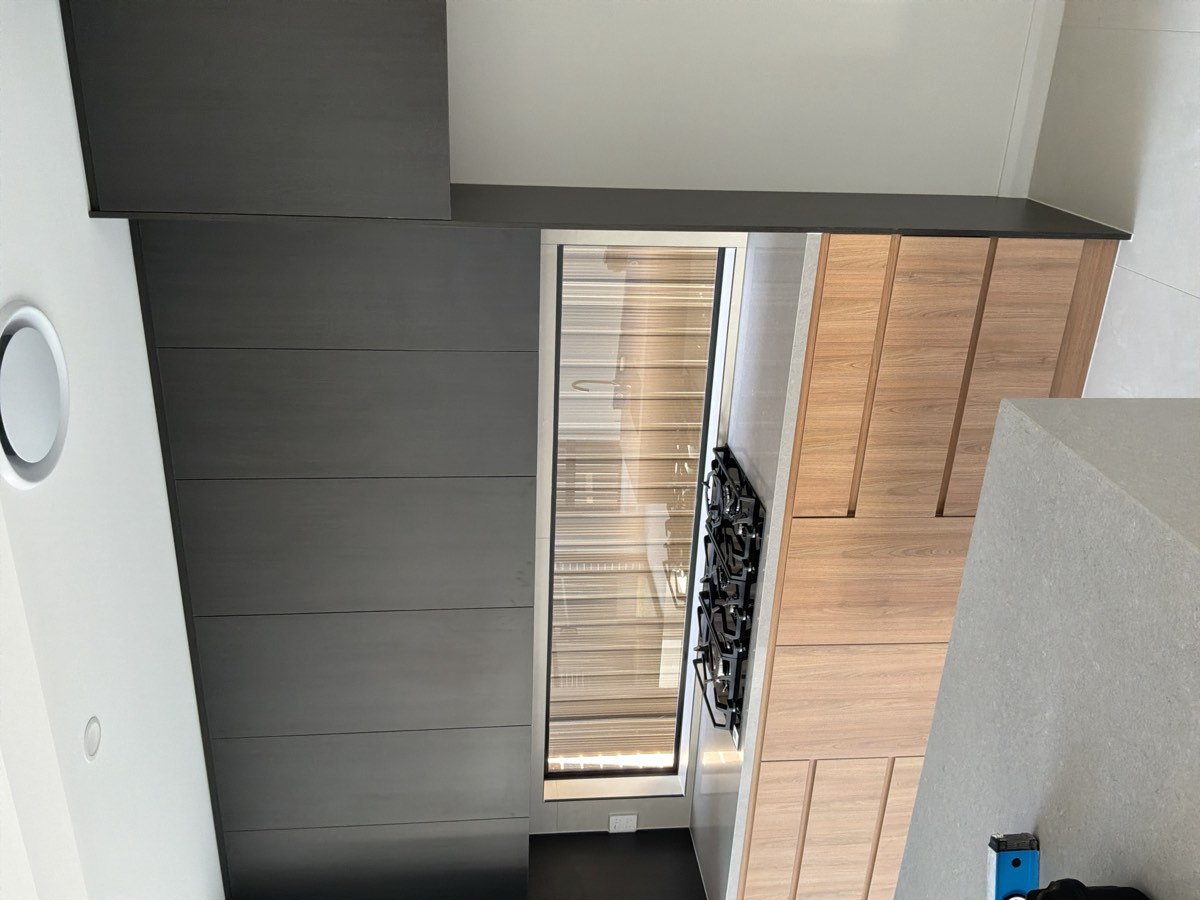 2Slab pre-pourThe day before the pour, steel and formwork complete
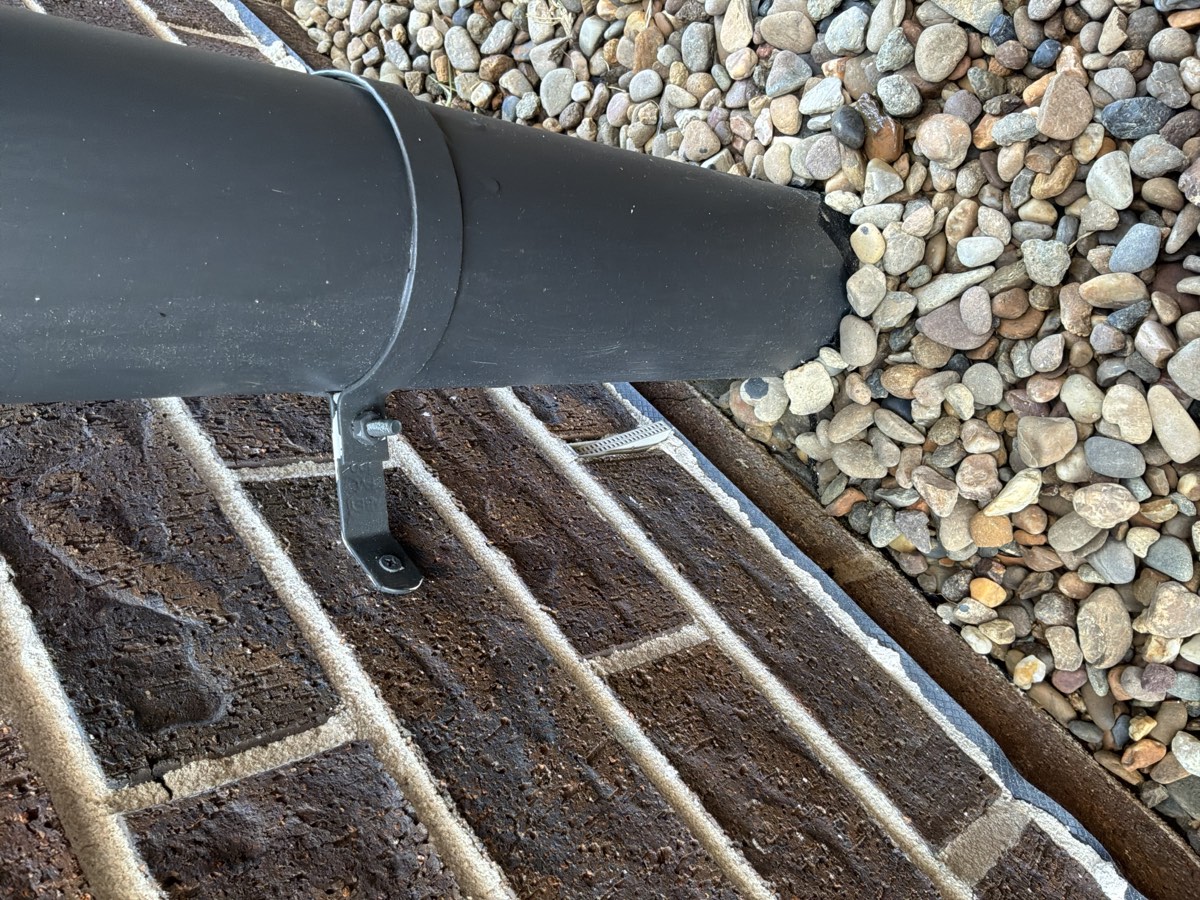 4Lock-up (pre-plaster)After roof, cladding and external doors, before plaster5FixingAfter mouldings, doors and joinery, before the painter
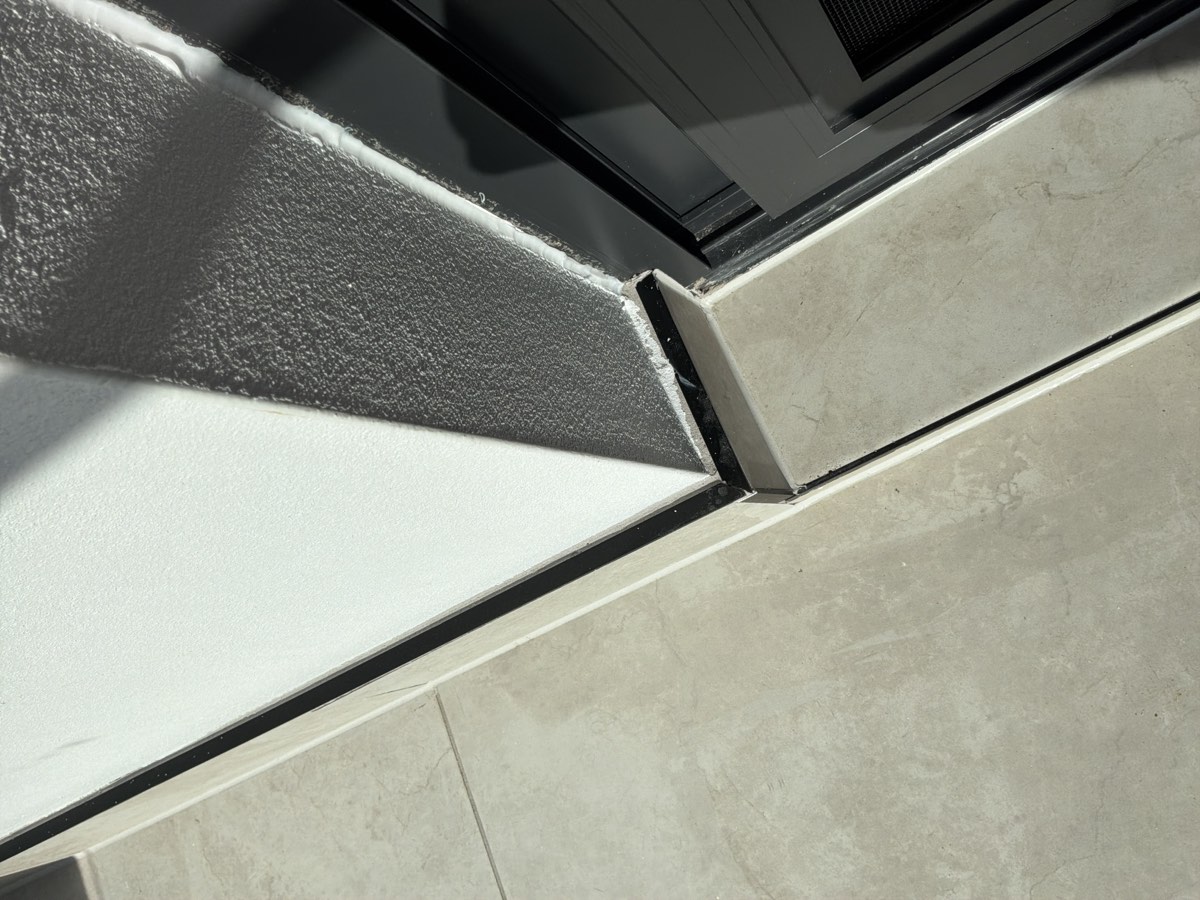 6WaterproofingAfter the membrane is applied and before any tile is laid
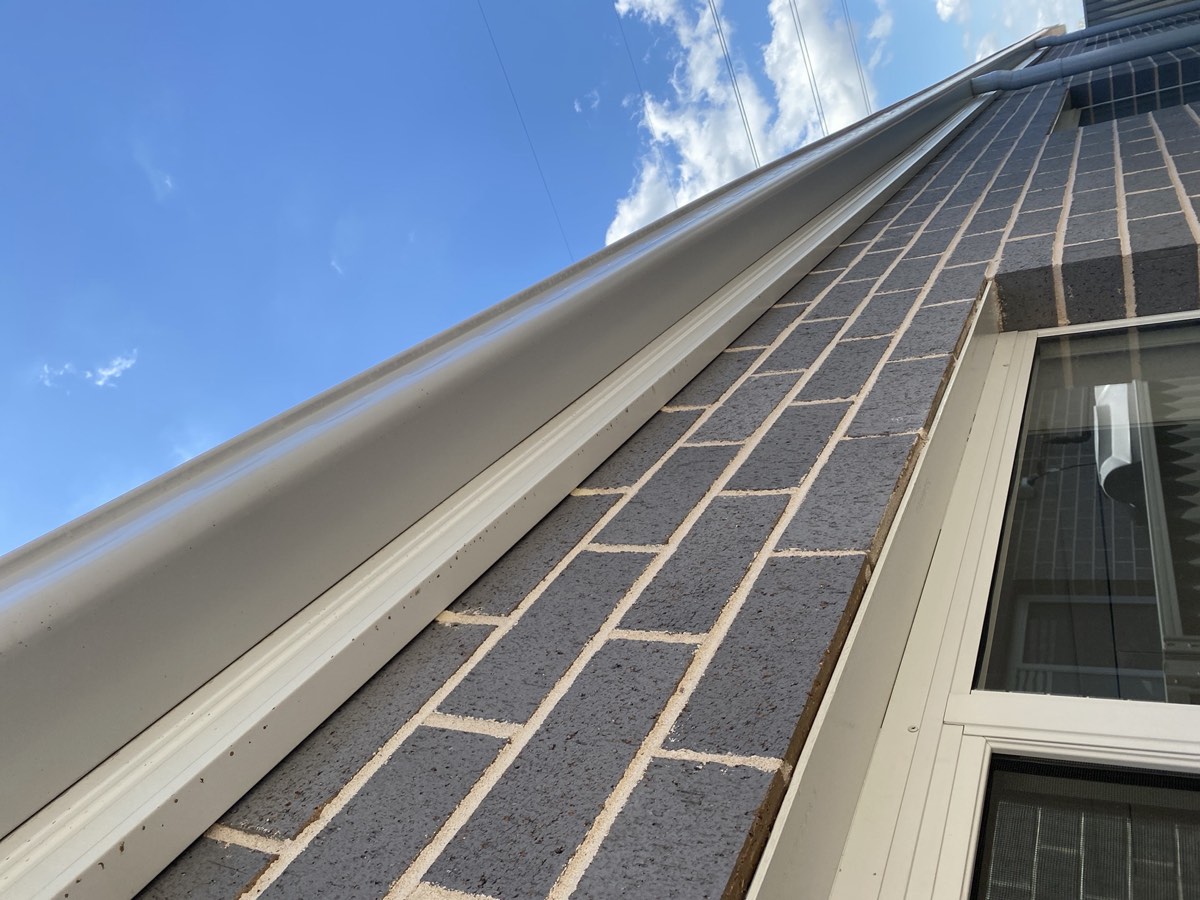 7Pre-handover (PCI)Two to three weeks before your handover date
Instant online pricing, or talk to the booking team on 1300 471 805.
It is the continuous run of fixings resisting uplift, from roof to slab. Each link is sized for a load, and one missing link is where the chain gives.
Two to three hours single storey, more on a two storey where the upper frame must be reached safely.
Timber framing standards cap how deep a notch may be for a given member and where it may sit. Past that cap the member no longer carries what it was sized for, and it is written up as a structural item.
At lock-up, with each marked complete, part complete or outstanding.
Usually, because frame items are inexpensive then and costly to dispute afterwards.
Your engineering and the tie down schedule that comes with it.