Riverstone Building
Inspections
★★★★★ 4.8 on Google · 570+ reviews

Fixing stage inspection in Riverstone

Joinery in, painter not started, and the last chance on the wet areas.

  • After mouldings, doors and joinery, before the painter
  • 1 to 2 hours on site
  • Report within 24 hours
Price your Riverstone inspectionSend the address and what you need.

Fully licensed & accredited

Stage5 of 7
When to bookAfter mouldings, doors and joinery, before the painter
Time on site1 to 2 hours on site
Inspected againstAS 2589 (gypsum linings), AS 3958 (tiling), the Guide to Standards and Tolerances 2017 and your contract selections

What is included in a Riverstone fixing inspection

  • Plasterboard joints, flushing and finish level in natural light
  • Wall flatness against the 5 mm over 1.8 m tolerance
  • Cornices, architraves and skirtings
  • Door fit, hardware, hinges and closing action
  • Door and window reveals and gaps
  • Cabinetry level and alignment, doors and drawers
  • Benchtop joins, edges and splashback junctions
  • Tiling set-out, lippage and grout where laid
  • Staircase, balustrade and handrail fixing
  • Wardrobe and linen shelving installation
  • Skirting and floor junctions before floor coverings
  • Items to raise with the site supervisor before paint
Why it matters here

Fixing inspections on Riverstone builds

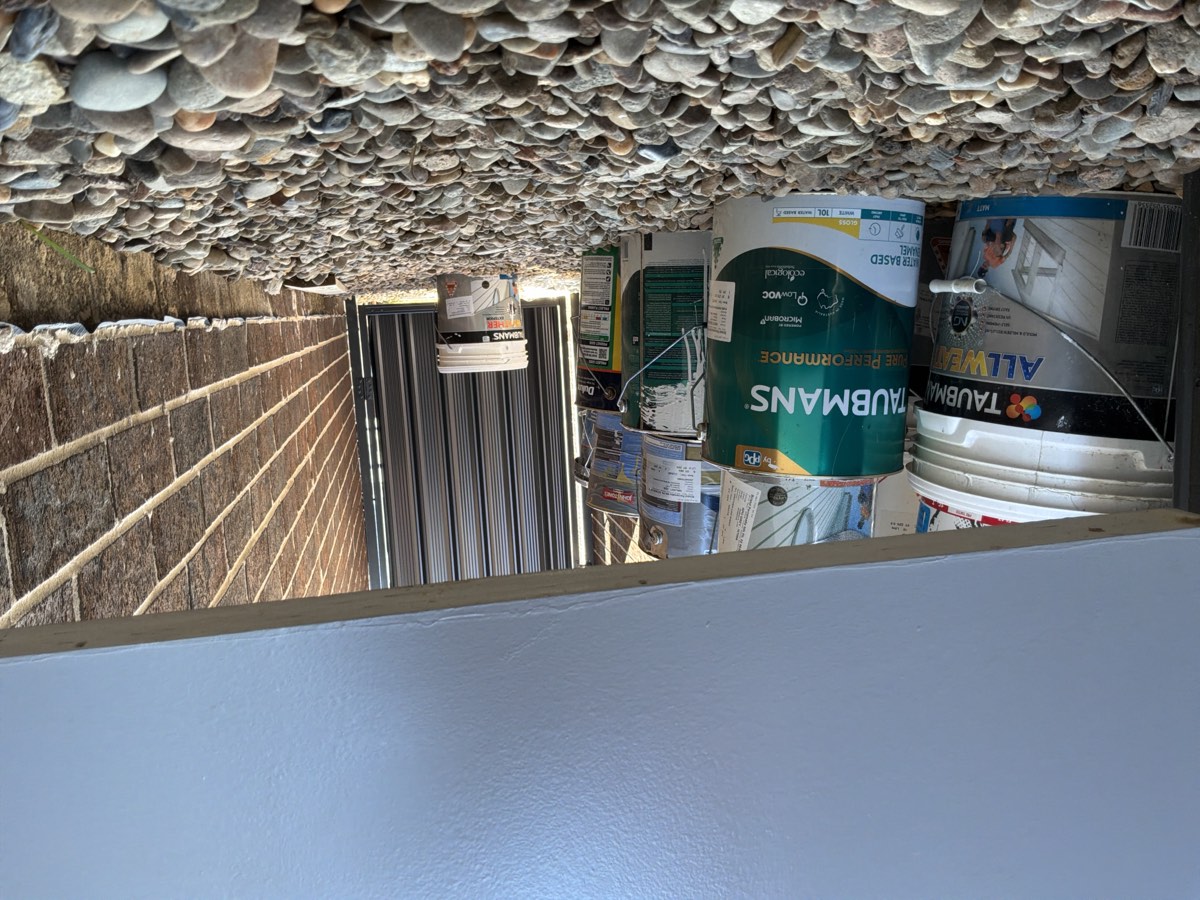
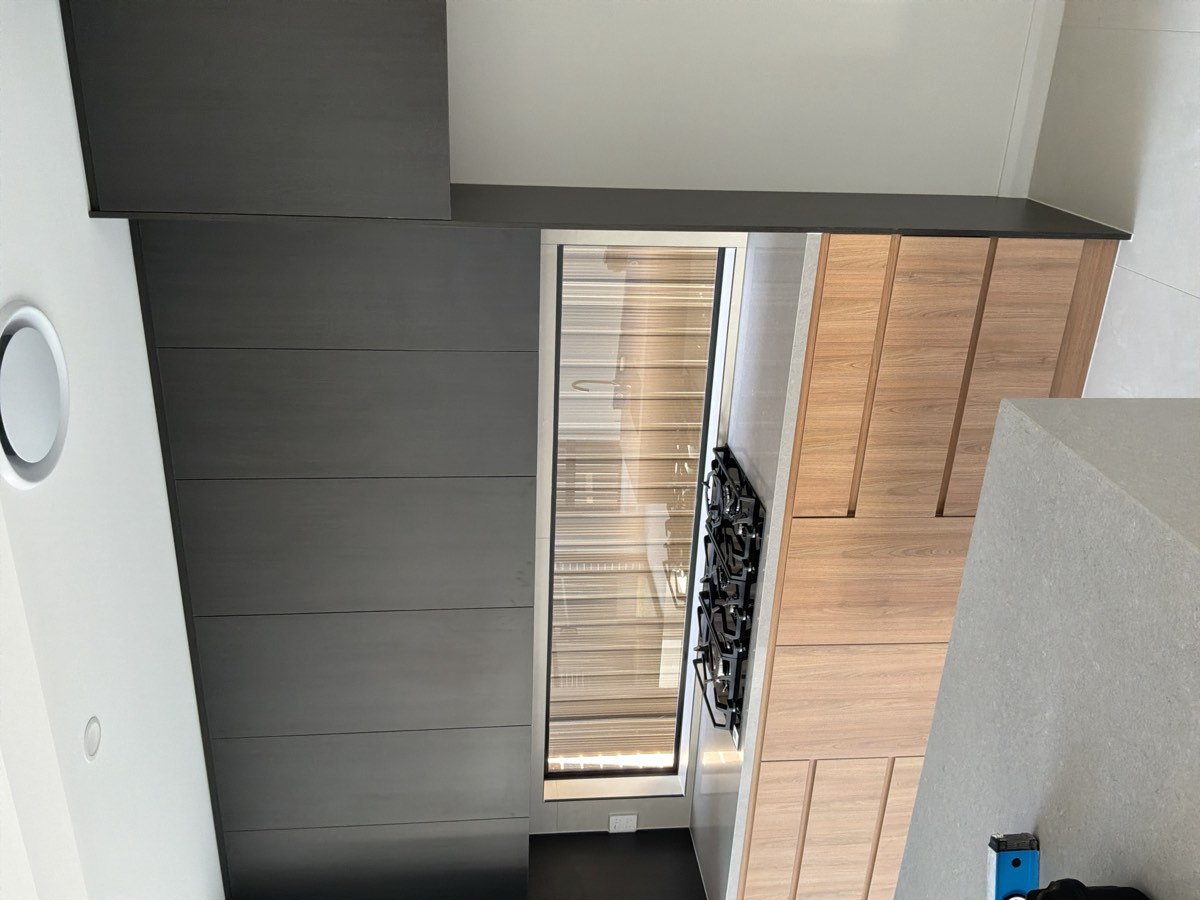
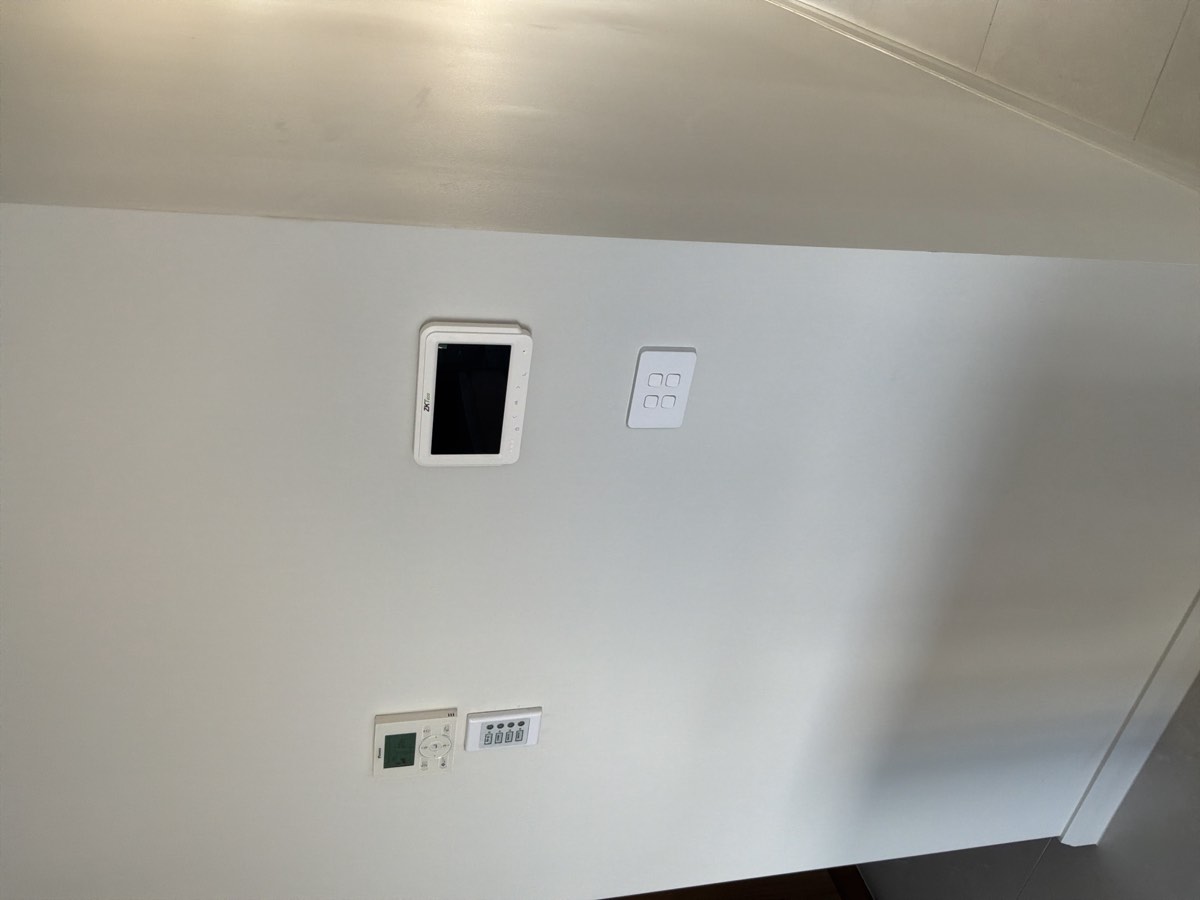
Fixing stage catches the carpentry and confirms the wet area items are closed before tiling covers them. On our Riverstone handovers the fixing stage findings had survived: skirtings and architraves damaged in three places, cabinetry with inconsistent gaps needing adjustment, render with its final coat still to come, and doors unsealed top and bottom. Every photograph on this page was taken at practical completion, not at this stage. They are here because each one is an item that belongs earlier in the build and survived to handover, which is the clearest argument we can make for inspecting when the work is still open.
What we find at this stage in Riverstone

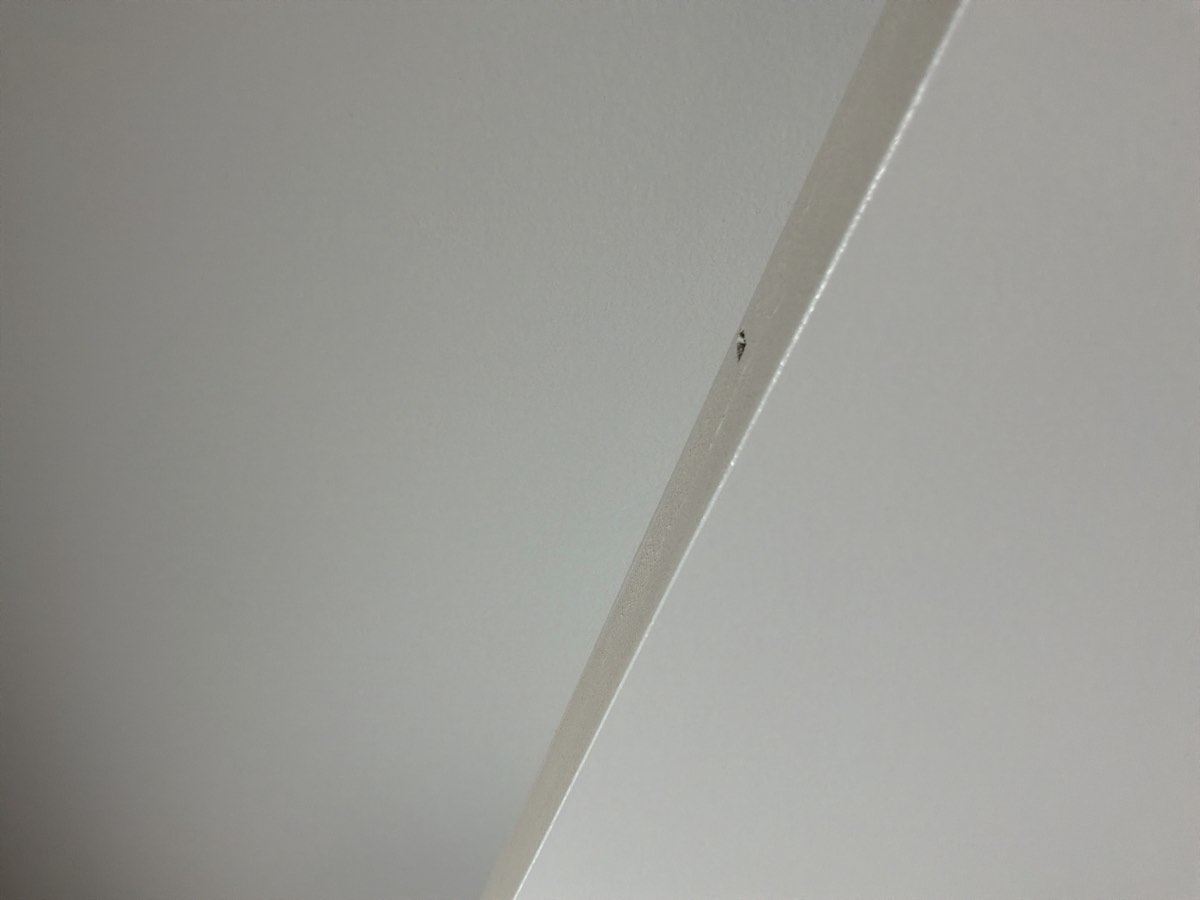
  • Skirtings and architraves damaged
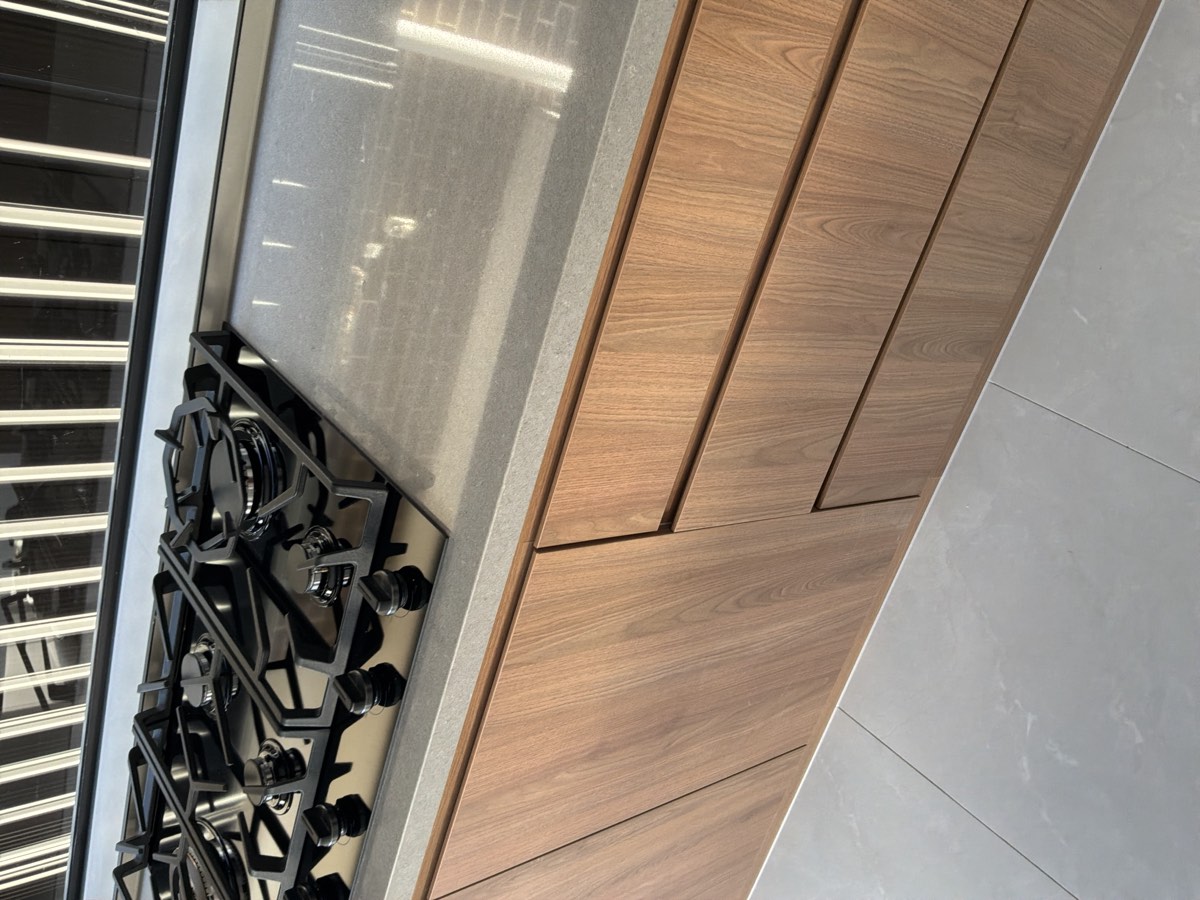
  • Cabinetry gaps inconsistent and needing adjustment
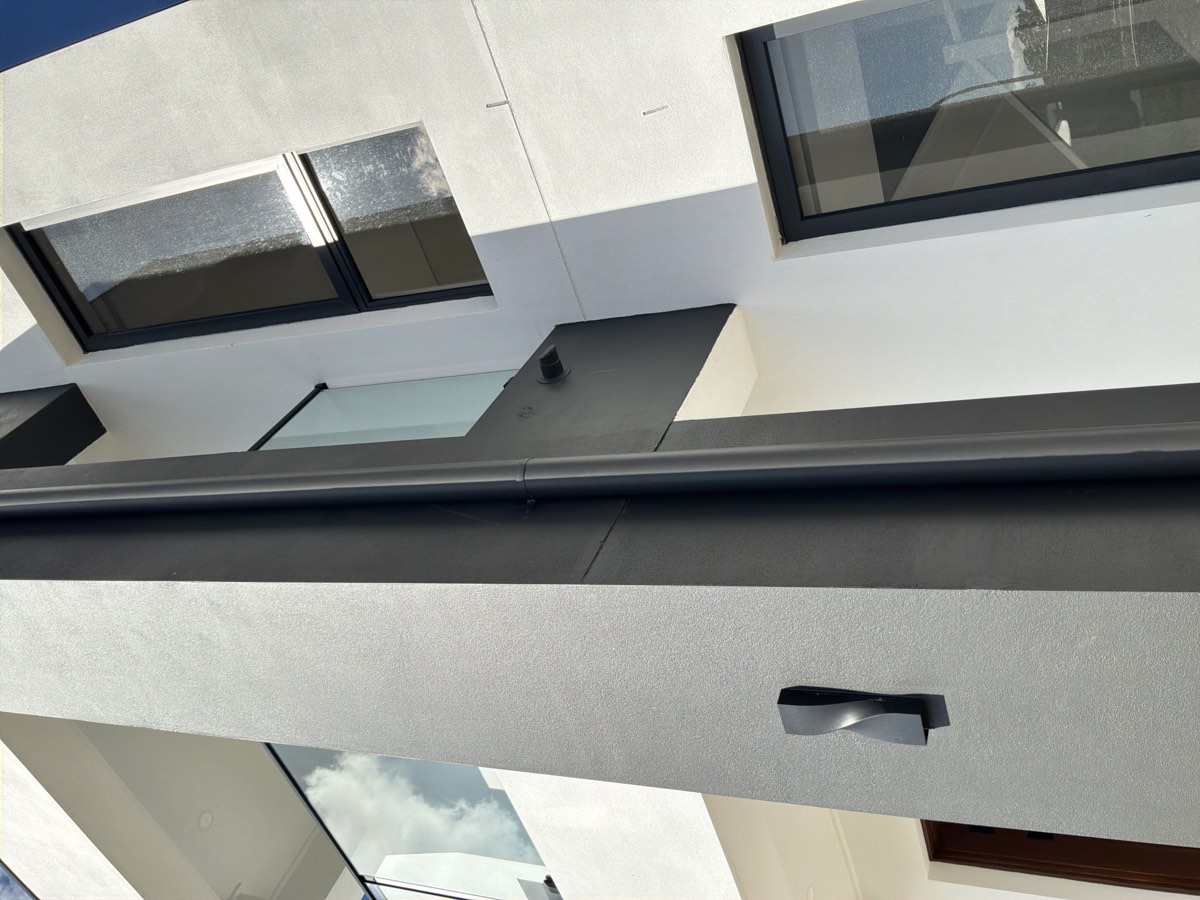
  • Render final coat not yet applied
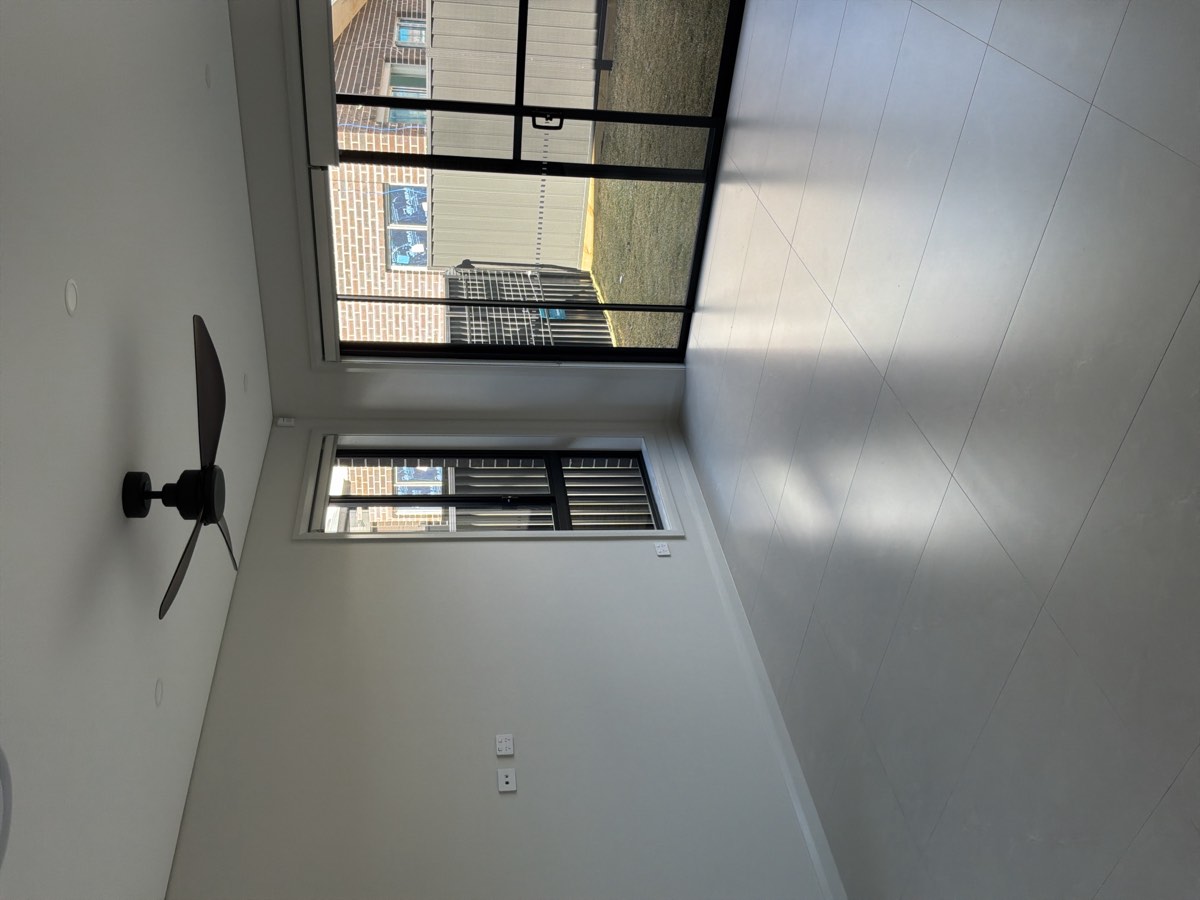
  • Doors not sealed top and bottom
  • Wet area items from the previous stage still open
External door edges needing sealing, Riverstone
External door edges needing sealing
Sample findings

Sample defects found during our fixing inspections in Riverstone

Annotated findings from Fixing inspections on Riverstone builds. Client addresses withheld.
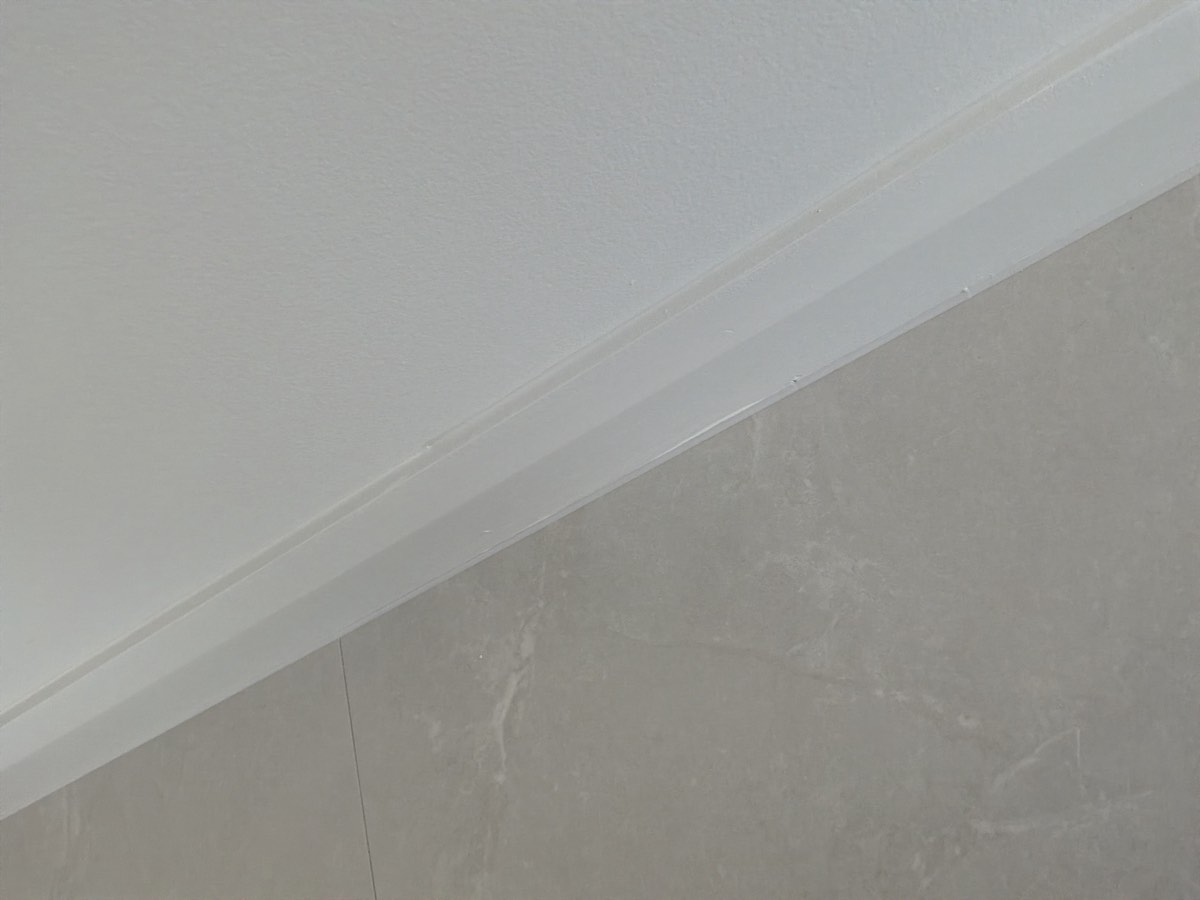
Damage, recorded during a handover inspection in Riverstone
Skirting or architrave damaged
Inconsistent gaps requiring adjustment, recorded during a handover inspection in Riverstone
Cabinetry gaps requiring adjustment
Final coat yet to be applied, recorded during a handover inspection in Riverstone
Render final coat outstanding
Doors not painted top and bottom, recorded during a handover inspection in Riverstone
Door edges unpainted top and bottom

The other stages of a Riverstone build

  1. Bored piers inspection in Riverstone1Bored piersAfter boring and cage placement, before concrete
  2. Slab pre-pour inspection in Riverstone2Slab pre-pourThe day before the pour, steel and formwork complete
  3. Frame inspection in Riverstone3FrameOnce frame and trusses are up and the roof is on, before lining
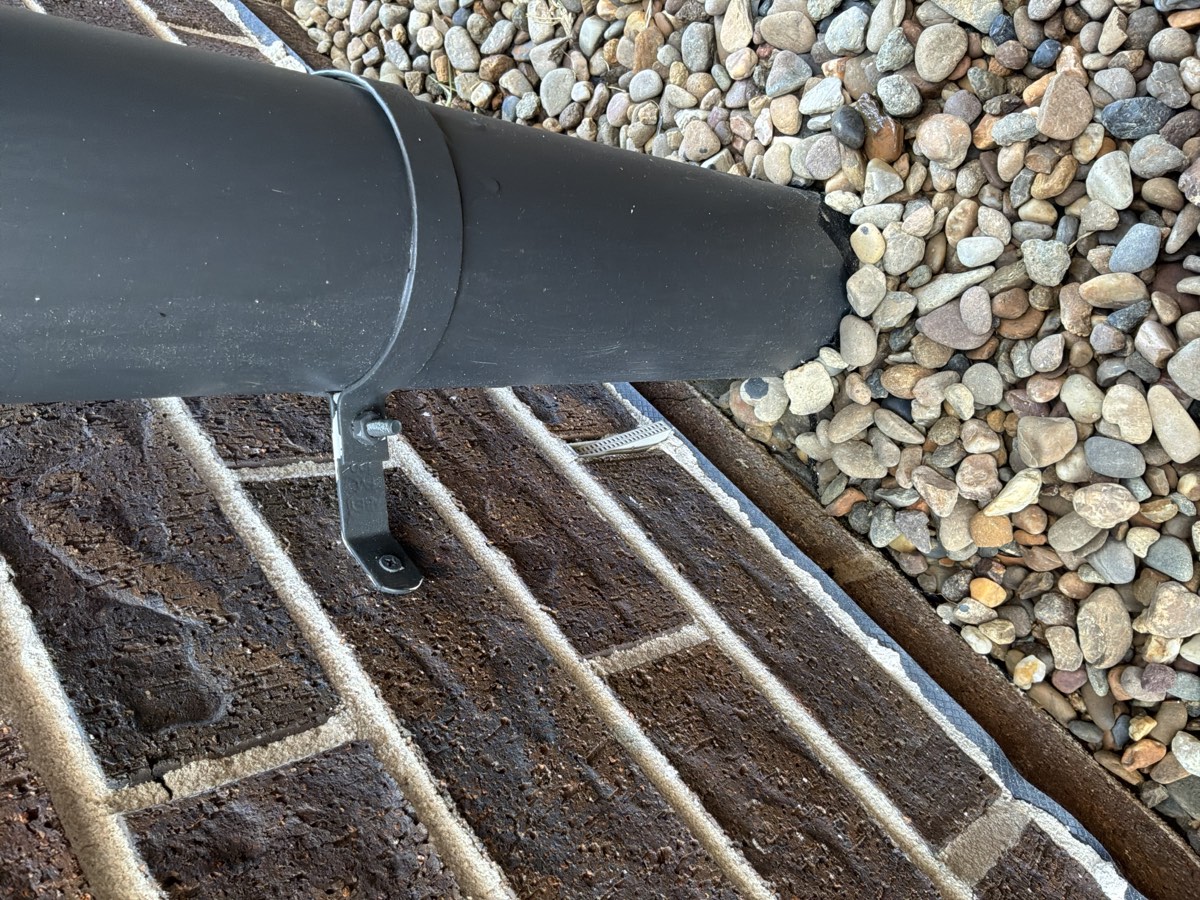
  4. Lock-up (pre-plaster) inspection in Riverstone4Lock-up (pre-plaster)After roof, cladding and external doors, before plaster
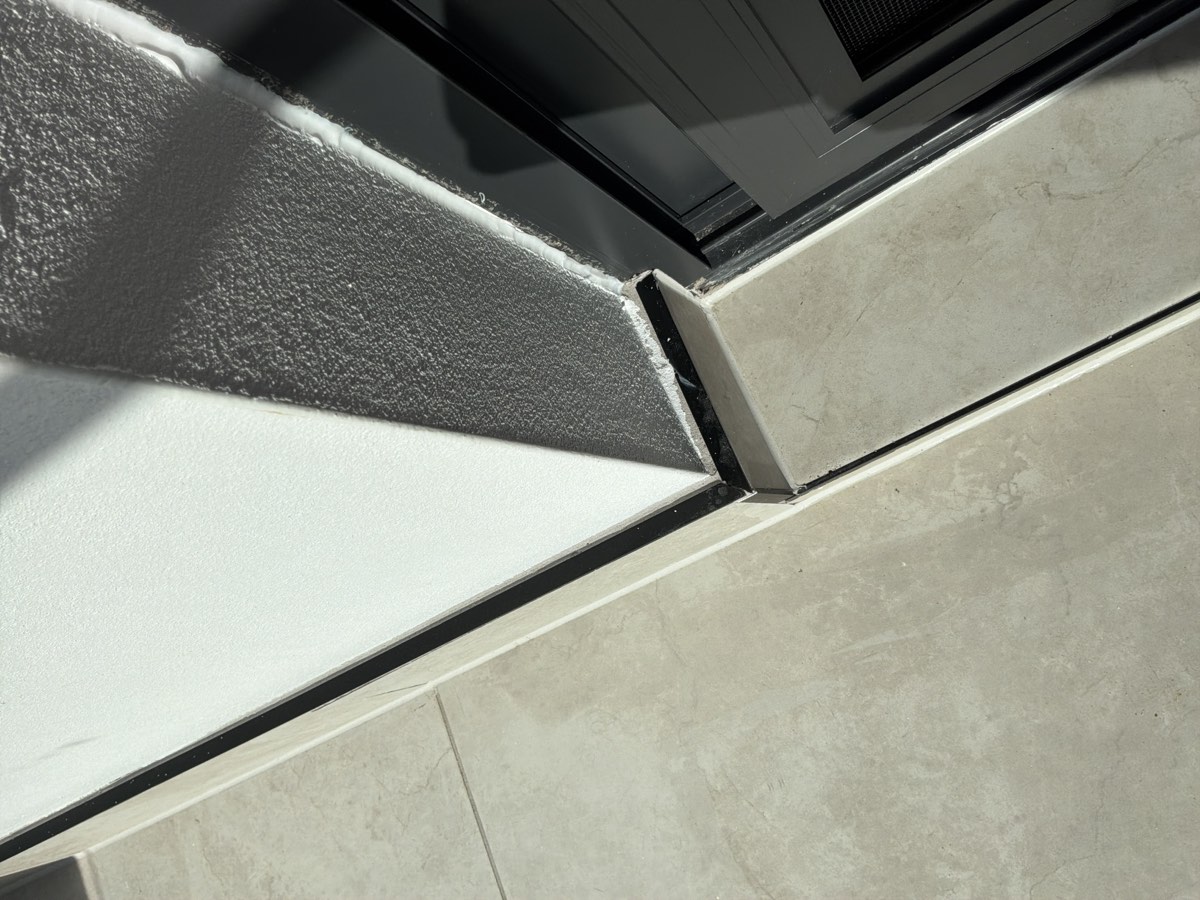
  5. Waterproofing inspection in Riverstone6WaterproofingAfter the membrane is applied and before any tile is laid
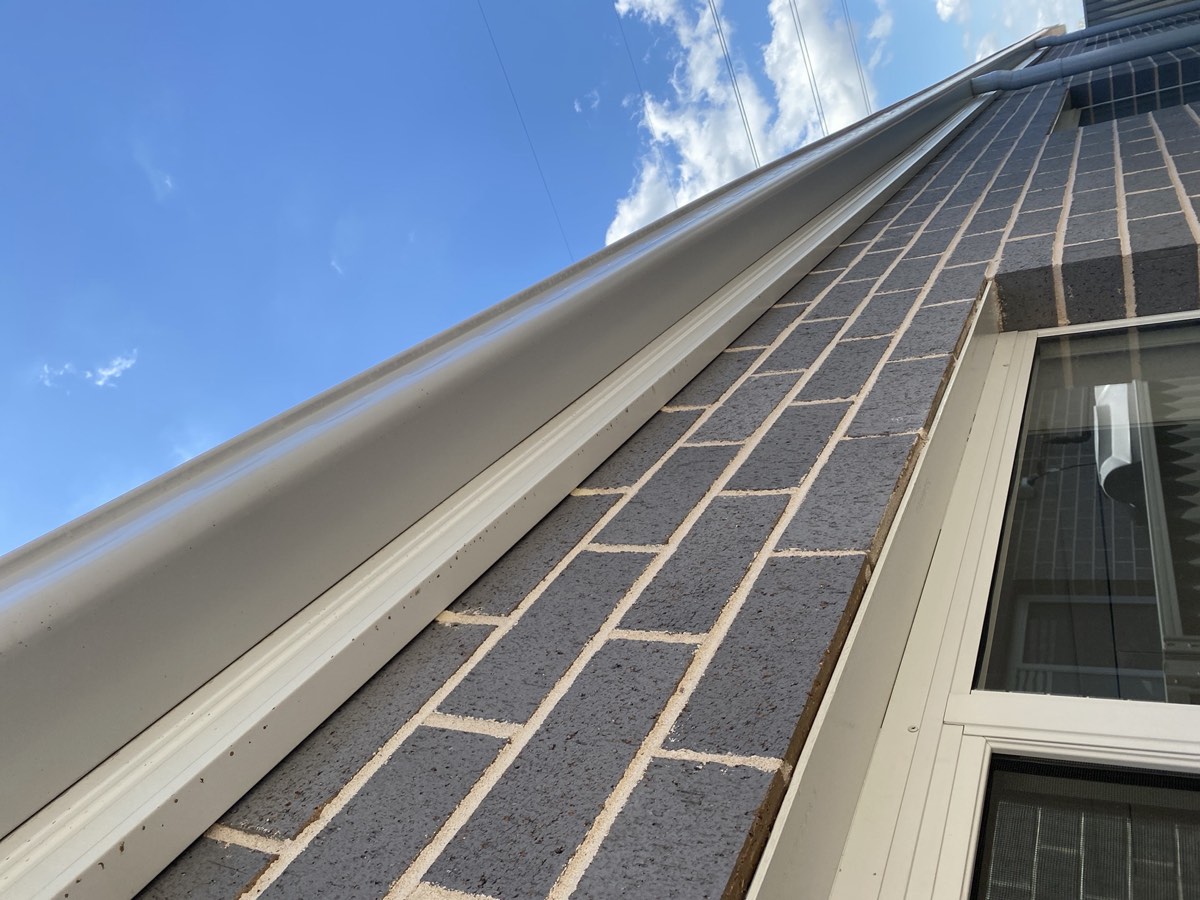
  6. Pre-handover (PCI) inspection in Riverstone7Pre-handover (PCI)Two to three weeks before your handover date

All construction stage inspections in Riverstone →

Guides

Construction stage guides for Riverstone

All guides →

Book a fixing inspection in Riverstone

Instant online pricing, or talk to the booking team on 1300 471 805.

FAQ

Fixing inspections in Riverstone: common questions

Why does an unsealed door edge matter?

An unsealed top or bottom edge lets a timber door take up moisture unevenly, which is how doors swell, bind and warp. It is a minute's work before the door is hung and a callback afterwards.

Is render a fixing item?

The final coat is, in the sense that it should be complete before painting. We recorded it outstanding at handover on these jobs.

Why inspect before the painter?

Because paint fills and conceals exactly the gaps and damage this stage exists to catch.

How long does it take?

Two to three hours on a typical property.

Is it separate from the waterproofing visit?

They overlap and often run together, though they answer different questions.

What should I provide?

Your contract and selections, so what was installed can be measured against what was agreed.

CallGet a Free Quote